

The monkey wrench is one of the most iconic tools in mechanical history. Known for its adjustable jaw and long handle, it was once a staple in workshops, garages, and industrial sites. Though largely replaced by newer tools like the adjustable crescent wrench, the monkey wrench still holds cultural and functional significance today.
Moreover, many people use the term “monkey wrench” to describe any adjustable wrench. However, true monkey wrenches differ in design and operation from modern versions. Understanding this distinction helps users choose the right tool for the job. As a result, interest in vintage and replica monkey wrenches continues to grow among collectors and DIY enthusiasts.
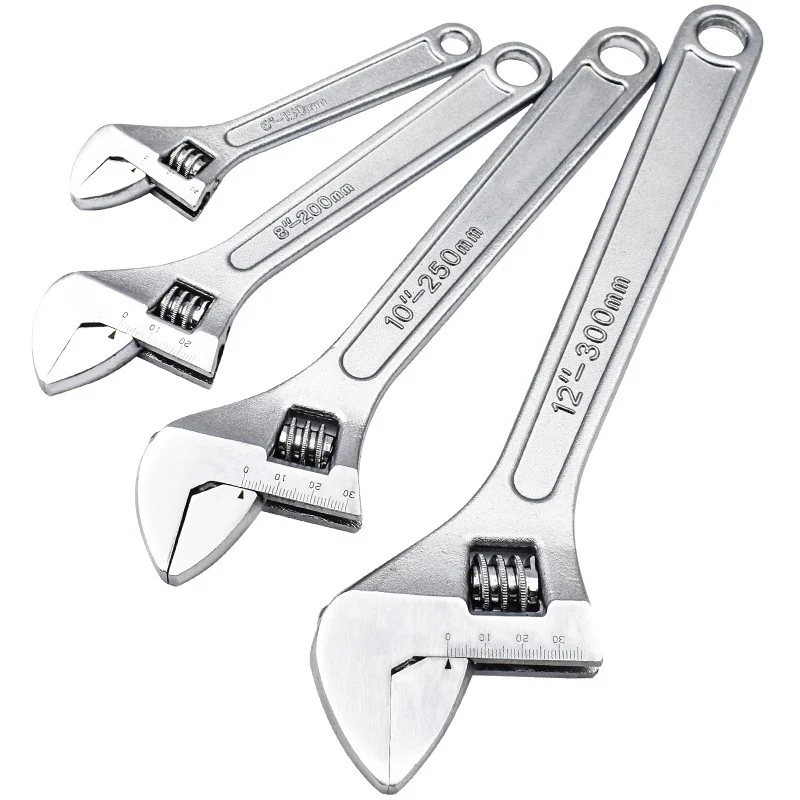 What Exactly Is a Monkey Spanner?
Design Features That Define the Original Tool
A traditional monkey wrench has a flat, elongated body with a fixed lower jaw. The upper jaw moves along a threaded rod when you turn a knurled knob at the back. This allows the gap between jaws to expand or contract.
Unlike modern wrenches, the jaws are parallel to the handle. This means they grip nuts and bolts on their flats. However, they can slip more easily under high torque. Also, the design applies pressure unevenly across the contact points.
Most were made of forged steel. Handles range from 6 to 18 inches in length. Longer models deliver more leverage. They were ideal for large fasteners found in steam engines and early machinery.
Early versions date back to the 1840s. Loring Coes patented an improved model in 1841. His design allowed quick adjustment using a screw mechanism. This innovation made the tool popular among railroad workers and mechanics.
Today’s version differs slightly. Many so-called “monkey wrenches” sold online are actually imitation styles. True antique models are collectible. Reproductions serve decorative or light-duty purposes.
Despite being outdated, the name remains widely used. It often refers to any adjustable wrench. But knowing the real features prevents confusion during repairs.
How the Monkey Spanner Was Used in the Past
Industrial Work, Railroads, and Early Mechanics
In the 19th and early 20th centuries, the monkey wrench played a vital role in industry. Steam-powered trains required constant maintenance. Workers used these wrenches to tighten pipe fittings, boiler joints, and axle nuts.
Railroad crews carried them as standard gear. Their ability to adjust meant fewer tools in the toolbox. One size fit multiple bolts. This saved space and weight during long trips.
Shipbuilders also relied on them. Large marine engines had oversized fasteners. A long-handled monkey wrench provided the force needed. Crews worked in tight engine rooms where space mattered.
Farmers used them on tractors and plows. Early agricultural machines had non-standardized bolts. Adjustable jaws handled various sizes. This versatility made the tool indispensable.
Plumbers and gas fitters used them too. Before standardized plumbing, connections varied widely. A single wrench could manage different joint types. Efficiency improved on every job.
Factories used them for assembly lines. Maintenance teams repaired conveyor belts and presses. Quick adjustments kept production moving.
Even military vehicles were serviced with monkey wrenches. During wartime, supply chains broke down. Mechanics adapted with whatever tools they had.
Thus, the monkey wrench helped build modern infrastructure. Its legacy lives on in today’s repair culture.
 Why the Monkey Spanner Declined in Popularity
Rise of Better Tools and Safety Concerns
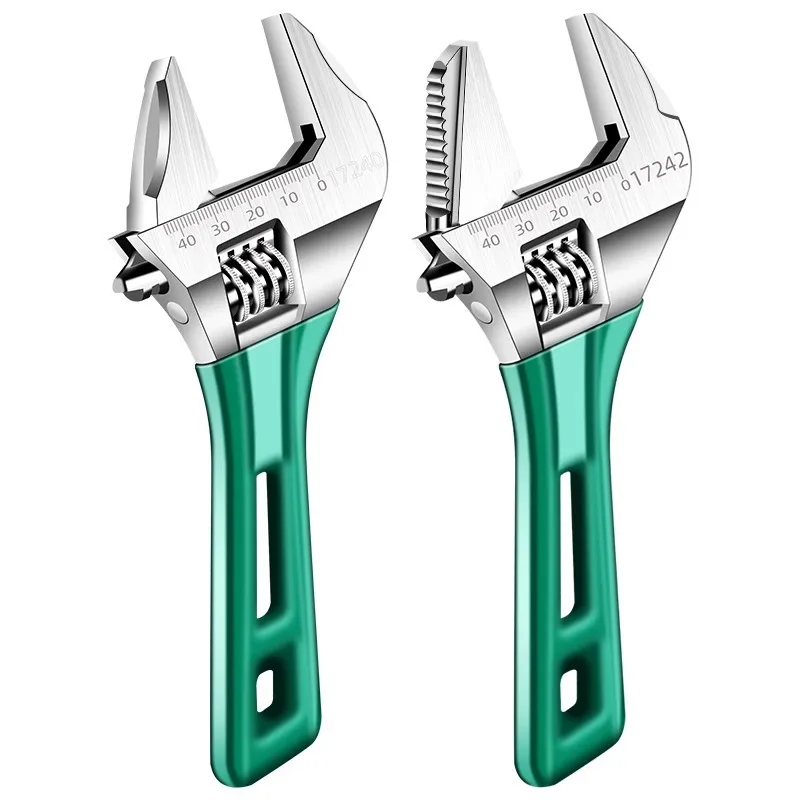
Despite its usefulness, the monkey wrench faded from daily use. One major reason was the invention of the crescent wrench in 1910. Frank Hope Jr. designed it with a smoother adjustment mechanism. The new tool offered better control and safety.
Crescent wrenches have angled jaws. They sit perpendicular to the handle. This aligns the force directly over the nut. Less chance of slipping occurs during tightening.
Also, modern materials improved durability. Chrome-plated vanadium steel resists rust. Sealed ball bearings reduce wear. These upgrades increased reliability.
Monkey wrenches tend to round off bolt heads. Because the jaws don’t hold flush, they crush edges. Over time, this damages fasteners. Crescent wrenches minimize that risk.
Another issue is weight. Traditional monkey wrenches are heavy. Long handles increase leverage but make them hard to carry. Today’s mechanics prefer lighter, compact tools.
Ergonomics matter too. Monkey wrenches lack cushioned grips. Extended use causes hand fatigue. Newer models include rubberized handles for comfort.
Storage became easier with slimmer profiles. Wrenches now fit in small cases. Monkey wrenches take up more room. They rarely appear in modern toolkits.
Still, some collectors value them. Antique dealers sell original models. Museums display them as historical artifacts.
Therefore, while no longer practical, the monkey wrench remains a symbol of mechanical progress.
Modern Alternatives to the Monkey Spanner
Crescent Wrenches, Socket Sets, and Ratchets
Today, several tools outperform the monkey wrench. The most common replacement is the adjustable crescent wrench. It adjusts quickly using a worm gear. Jaw alignment stays precise under pressure.
Socket wrenches offer even greater efficiency. They come with interchangeable heads. Users switch sizes without changing tools. Ratcheting mechanisms allow continuous turning.
Torque wrenches provide exact tension. Critical automotive jobs require specific tightness. These tools prevent over-tightening. Safety improves dramatically.
Combination wrenches combine open-end and box-end types. They work well in tight spaces. Each size fits only one bolt. But they offer maximum grip and control.
Pipe wrenches handle rounded surfaces. Plumbers use them on metal pipes. Teeth dig into soft materials. They apply strong gripping power.
Hydraulic and electric tools dominate industrial settings. Torque multipliers loosen stubborn bolts. Impact wrenches save hours of manual labor.
Digital tools now exist. Smart wrenches track applied force. Bluetooth connects to phones. Data logs help maintain records.
While not as nostalgic, these options are safer and faster. They reduce injury risk and improve accuracy.
Yet, the monkey wrench inspired all of them. Its core idea—adjustability—remains central to modern design.
 Where You Might Still See a Monkey Spanner
Collectors, Decor, and Educational Displays
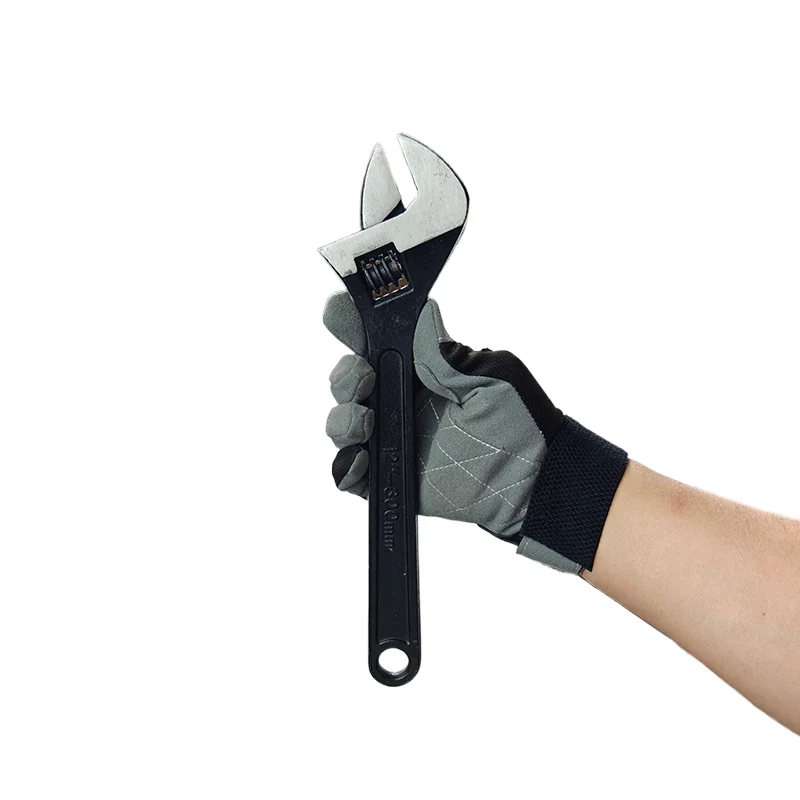
True monkey wrenches are rare in active repair shops. However, they appear in other places. Antique tool collectors seek original models. Signed brands like Coes or Plumb fetch high prices.
Restoration projects sometimes use them. Historical reenactments need authentic tools. Railroad museums demonstrate old maintenance techniques. The monkey wrench plays a key role.
Home decor lovers hang them on walls. Vintage-themed garages feature them as art. Paired with oil cans and signs, they create retro appeal.
TV shows and movies use them for visual effect. Characters grab a monkey wrench to look handy. Even if inaccurate, it signals mechanical intent.
Schools teach tool history in vocational classes. Students compare old and new designs. They learn how engineering evolves over time.
Some craftsmen keep one for sentimental reasons. It belonged to a grandfather or mentor. Emotional value outweighs function.
DIY builders may modify them. Custom paint, engravings, or LED lights update the look. These become unique workshop centerpieces.
Though not practical anymore, the monkey wrench holds symbolic power. It represents ingenuity, strength, and hands-on work.
Its image appears on logos, t-shirts, and mugs. Businesses use it to suggest toughness and reliability.
How to Identify a Real Monkey Spanner
Key Markings, Brands, and Physical Traits
To spot a genuine monkey wrench, start with the shape. Look for a long handle and straight body. Jaws run parallel to the handle. The adjusting screw is at the end.
Check for brand stamps. Common makers include Coes, Blackhawk, Plumb, and Armstrong. These names appear on the handle or jaw.
Coes wrenches have a distinctive knurled wheel. Early models say “Coes Wrench Company.” Later ones read “Worcester, Mass.”
Plumb tools often have red paint on the handle. Some include catalog numbers. Serial codes help verify age.
Forged steel construction feels heavy. Weight indicates authenticity. Lightweight copies are likely modern reproductions.
Thread pitch matters. Original screws have coarse threads. Fine threading suggests later manufacturing.
Look for wear patterns. Old wrenches show polish from years of use. Smooth spots near the jaw mean frequent adjustment.
Rust and pitting are normal. But avoid broken welds or bent jaws. These affect structural integrity.
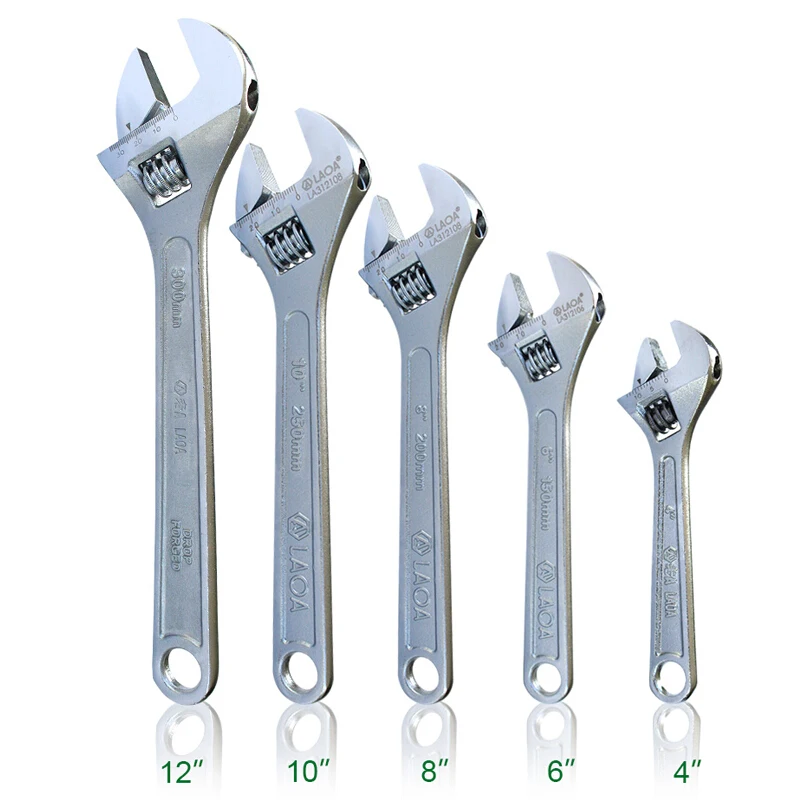
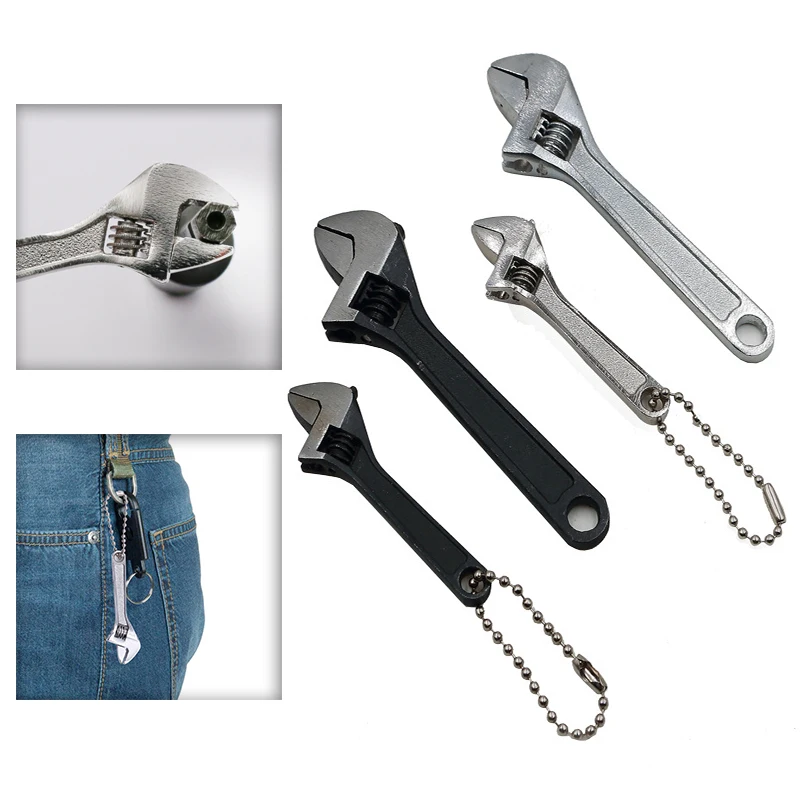
Measure the size. Classic lengths are 10″, 14″, and 18″. Smaller ones may be toy models.
Compare with online databases. Collector forums post detailed guides. Photos help identify rare variations.
Knowing these details protects against fakes.
 Frequently Asked Questions
Common Concerns Answered by Experts
Can I still buy a working monkey wrench? Yes. Replicas are available online. But they’re mostly decorative. For real use, try vintage tools.
Is it safe to use on modern cars? Not recommended. Risk of slipping is high. Use a socket set instead.
What’s the difference between a monkey wrench and a pipe wrench? Pipe wrenches have serrated teeth. They grip round pipes. Monkey wrenches fit flat-sided nuts.
Are old monkey wrenches valuable? Some are. Rare brands in good condition sell for 100–300. Check auction sites.
Can I restore a rusty one? Yes. Soak in vinegar or rust remover. Scrub gently. Apply light oil afterward.
Where should I store it? Keep in a dry place. Hang vertically or lay flat. Avoid damp basements.
Do they come in metric sizes? No. Original models are imperial only. Adjustability covers a range.
 Final Thoughts
From Essential Tool to Cultural Icon
The monkey wrench once stood at the heart of mechanical work. It powered industries, built railroads, and maintained early machines. While outdated, its impact remains undeniable.
Today, it serves more as a reminder than a tool. It teaches us about innovation and adaptation. Every modern wrench owes something to its design.
For hobbyists, collectors, and educators, the monkey wrench holds lasting value. It sparks curiosity and conversation. Young minds see how far toolmaking has come.
In conclusion, the monkey wrench is more than iron and steel. It’s a piece of history. Whether hanging on a wall or sitting in a museum, it tells a story. Because when progress meets persistence, tools like the monkey wrench become legends—and their legacy never fades.