

The Volkswagen Golf GTI Rally Car stands as one of the most iconic hot hatch entries in motorsport history. Originally derived from a practical family hatchback, the GTI evolved into a high-performance rally contender through engineering excellence and aggressive tuning. With its front-wheel-drive layout, lightweight chassis, and turbocharged engine, the Volkswagen Golf GTI Rally Car became a favorite in national and regional rally championships. Its agility on tarmac and gravel roads earned respect from drivers and fans alike.
Moreover, Volkswagen’s motorsport division, Volkswagen Motorsport, played a crucial role in transforming the street-legal GTI into a competition-ready machine. Built to meet FIA Group A or R5 regulations depending on the era, these rally versions featured extensive modifications for durability and control. From forest stages to hill climbs, the Volkswagen Golf GTI Rally Car proved it could outmaneuver larger, more powerful rivals. This guide dives into its evolution, technical specs, racing history, and lasting influence.
 Evolution of the Volkswagen Golf GTI in Rally
From Road Car to Rally-Bred Machine
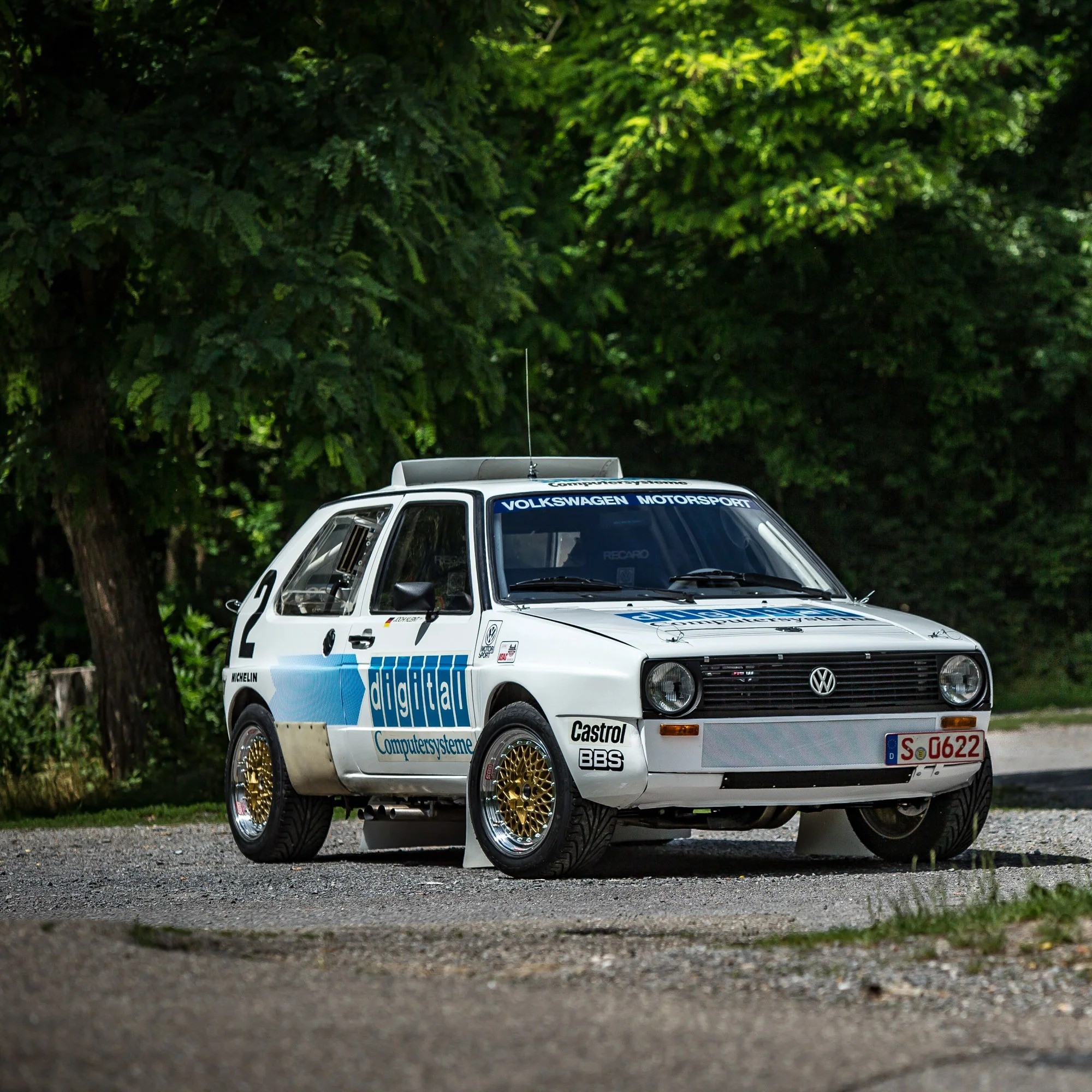
The original Volkswagen Golf GTI debuted in 1976 as a compact, fuel-efficient hot hatch. However, its balanced weight distribution and responsive handling attracted motorsport enthusiasts early on. By the early 1980s, privateer teams began modifying the Mk1 GTI for local rally events. These early builds used bolt-on aerodynamics, upgraded suspensions, and tuned engines.
Volkswagen responded by supporting customer racing programs. The factory-backed Golf GTI 16V Mk2 entered Group A racing in the late 1980s. It competed in the World Rally Championship (WRC) support categories and national series across Europe. Though overshadowed by all-wheel-drive rivals like the Lancia Delta Integrale, it excelled in front-wheel-drive classes.
Later generations, especially the Mk4 and Mk5 GTIs, saw more advanced rally adaptations. Independent teams engineered roll cages, limited-slip differentials, and sequential gearboxes. These upgrades turned the road car into a true Volkswagen Golf GTI Rally Car.
Even after Volkswagen shifted focus to the Polo R WRC, the GTI remained popular in grassroots rallying. Its affordability and reliability made it a top pick for amateur drivers. Today, classic GTI rally builds continue to race in historic events. The evolution from economy car to rally weapon remains unmatched.
Engineering and Performance Upgrades
How the GTI Transforms for Rally Conditions
Converting a street GTI into a Volkswagen Golf GTI Rally Car involves significant engineering changes. First, the chassis receives a full FIA-compliant roll cage. This welded steel structure increases rigidity and protects the driver and co-driver. The interior is stripped to reduce weight. Seats, harnesses, and fire suppression systems are added for safety.
The engine, usually a 2.0-liter turbocharged four-cylinder, is rebuilt for durability. It produces between 220 and 300 horsepower depending on the class. Turbo boost is increased, and intercoolers are upgraded. Motorsport ECUs optimize fuel and ignition timing under extreme conditions.
Suspension is completely overhauled. Coilover shocks with adjustable damping handle rough terrain. Stiffer springs reduce body roll. Reinforced control arms and anti-roll bars improve cornering precision.
Brakes are upgraded too. Larger discs with multi-piston calipers ensure consistent stopping power. Brake cooling ducts prevent fade on long stages.
The drivetrain includes a limited-slip differential. This sends power to the wheel with the most grip. Short-ratio gearboxes allow faster acceleration. Some builds use sequential shifters for quicker gear changes.
Every modification serves a purpose. Together, they turn a sporty hatch into a serious rally contender.
 Racing History and Competitive Achievements
Success in National and Regional Rally Championships
The Volkswagen Golf GTI Rally Car never dominated the WRC like the Polo R WRC, but it found success closer to home. In national championships like the British Rally Championship, German Rallye Meisterschaft, and Irish Tarmac Rally Championship, GTI-based cars frequently won their classes.
One standout was the Golf GTI 16V in the late 1980s. It won multiple Group N titles, where production-based cars compete with limited modifications. Drivers praised its predictable handling and low center of gravity.
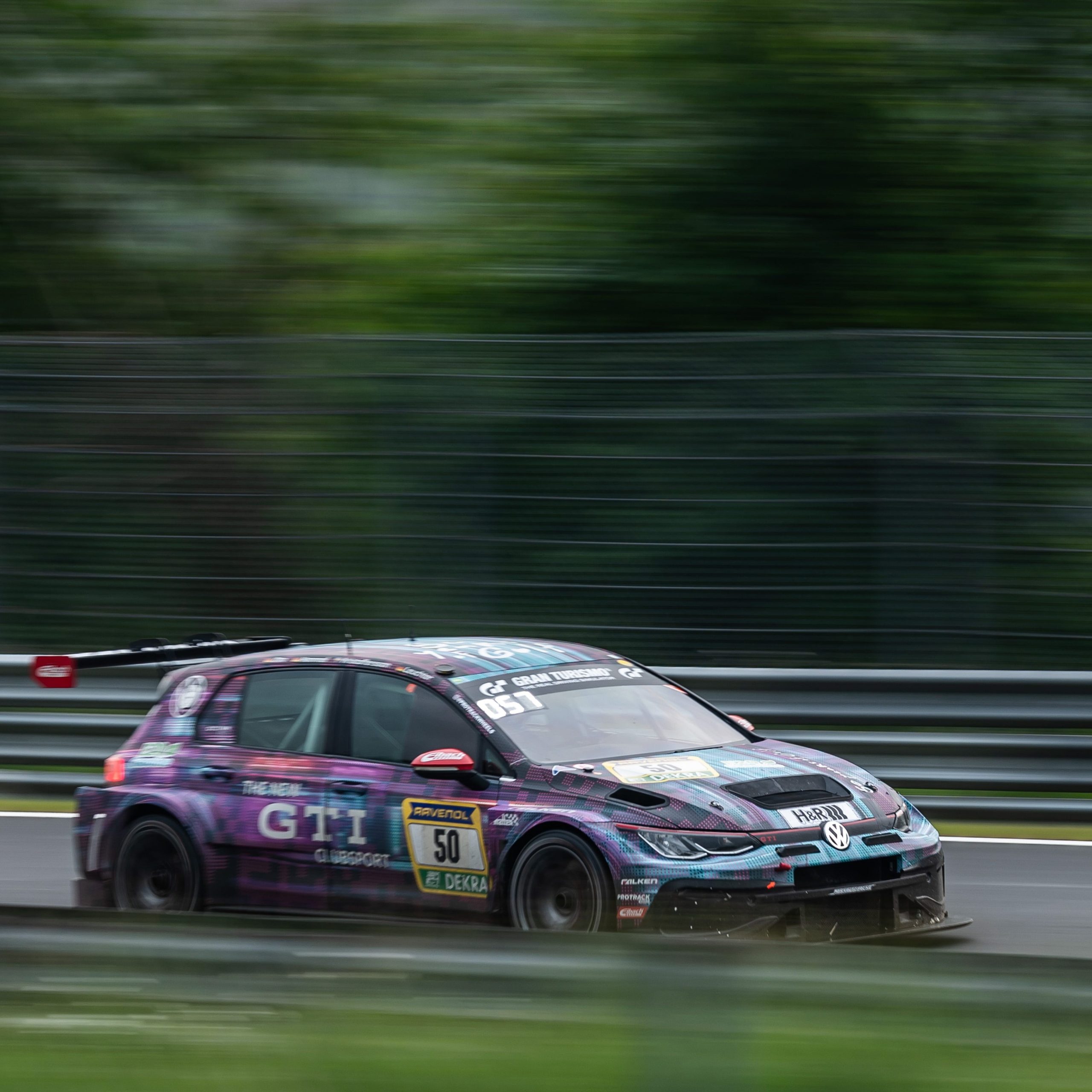
In the 2000s, private teams continued using Mk4 and Mk5 GTIs. These cars competed in the FIA Group R1, R2, and R5 support categories. Notable drivers like Per-Gunnar Andersson campaigned GTI-based entries in Scandinavian rally events.
In the U.S., the GTI appeared in Rally America and ARA (American Rally Association) events. While Subaru and Mitsubishi dominated, GTI entries often won front-wheel-drive trophies.
The Golf GTI also succeeded in hill climbs and sprint races. Its compact size allowed quick direction changes. Short gearing helped accelerate out of tight corners.
These achievements proved the GTI’s versatility. Though not a factory flagship, the Volkswagen Golf GTI Rally Car earned respect through consistency and driver feedback.
Design and Aerodynamic Enhancements
Visual and Functional Modifications for the Track
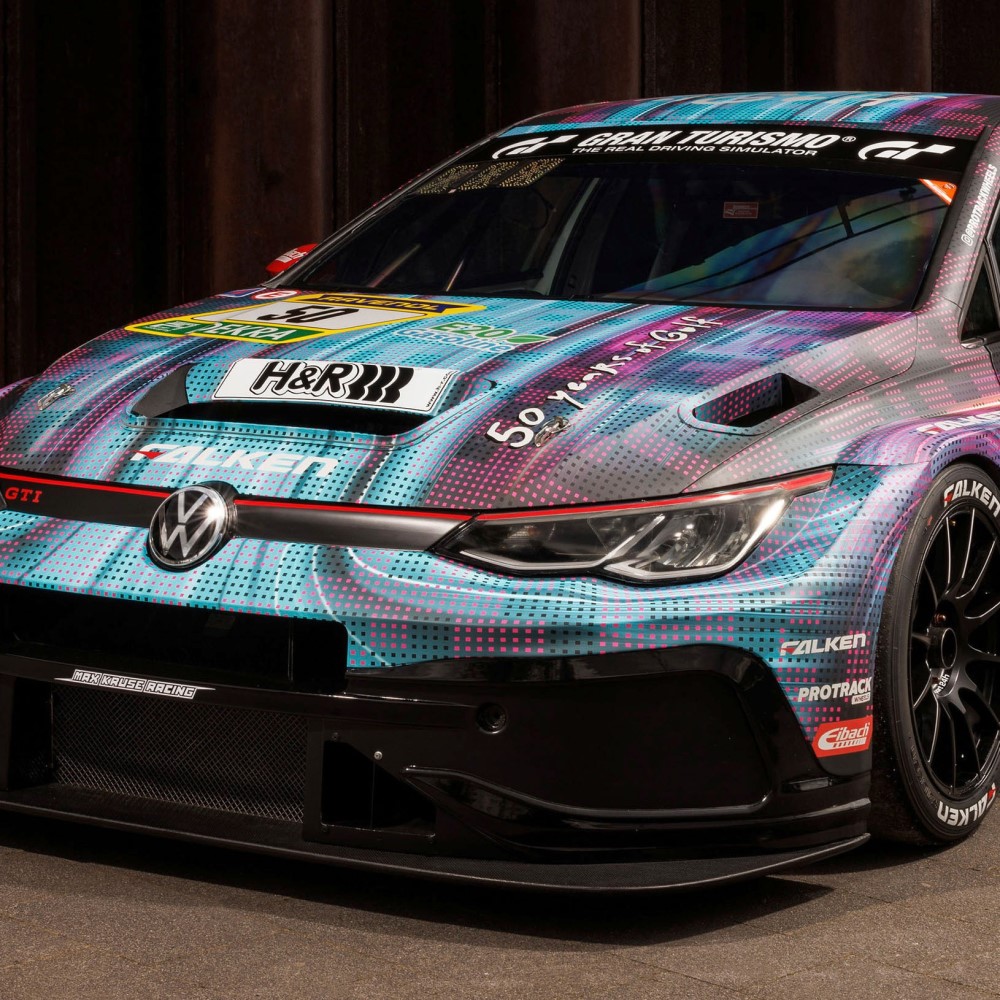
The visual transformation of a Volkswagen Golf GTI Rally Car is dramatic. The factory body is reinforced with flared wheel arches to accommodate wider rally tires. These arches are often made from lightweight composite materials.
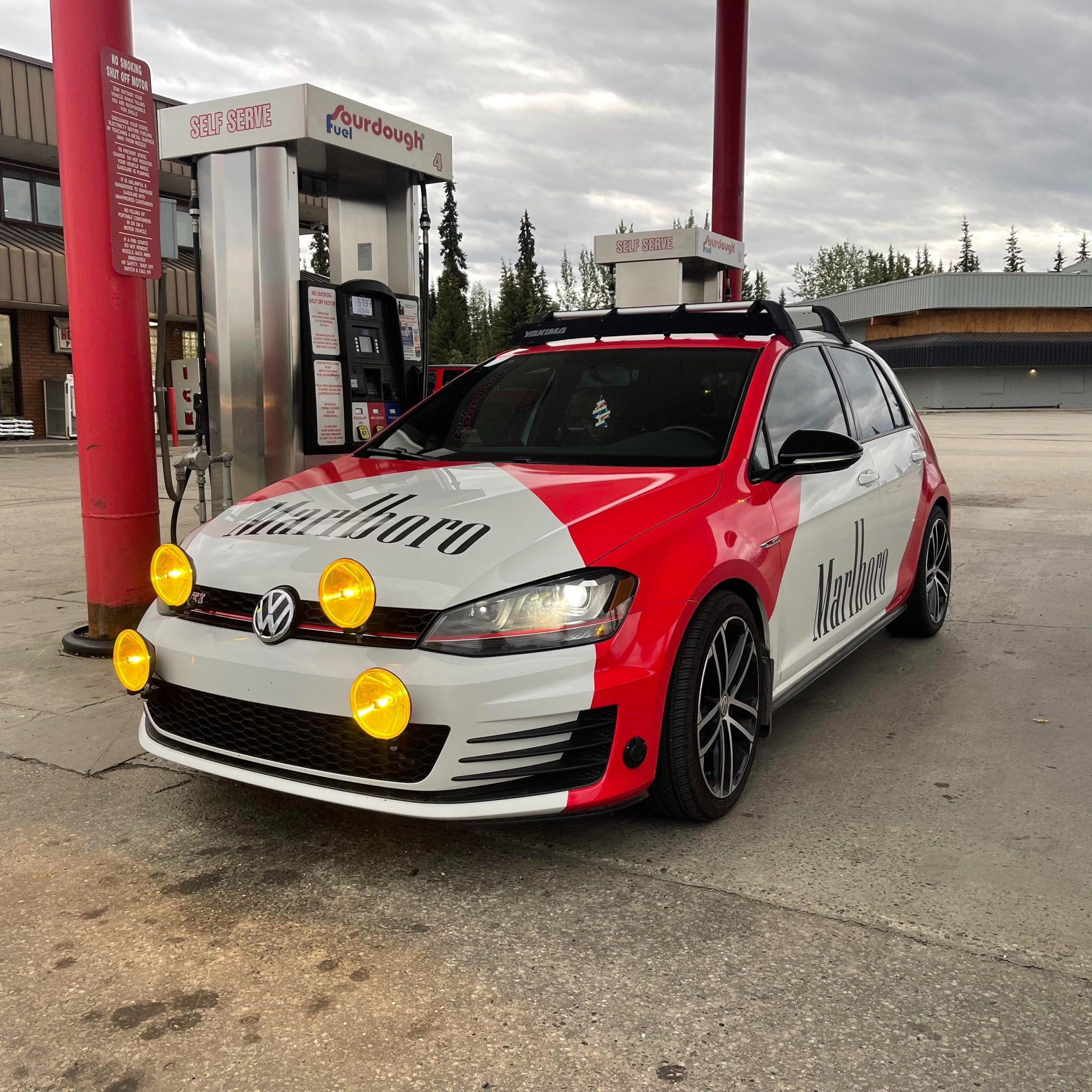
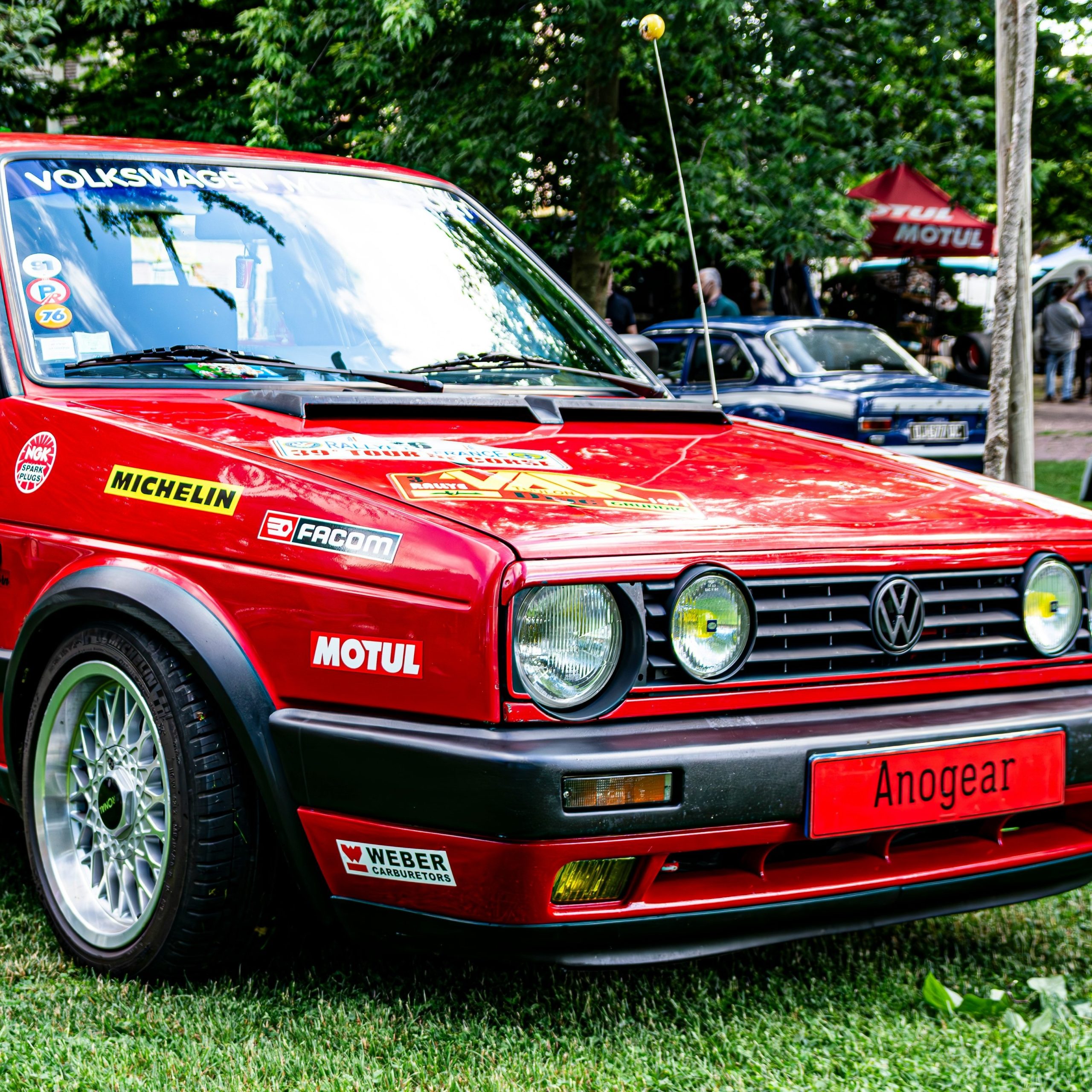
Front and rear bumpers are replaced with aerodynamic units. The front bumper includes a larger air intake for brake and engine cooling. Fog light housings often hold auxiliary driving lamps.
A roof scoop provides fresh air to the intercooler. This reduces intake temperatures during long stages. Some models add side skirts to improve airflow along the chassis.
At the rear, a large adjustable wing mounts on steel supports. This increases downforce during high-speed corners. The wing’s angle is tuned for each rally stage.
Paint schemes feature bold sponsor liveries. Traditional colors include white with red and black accents. The GTI badge remains visible as a nod to its heritage.
All changes serve dual purposes. They improve performance while maintaining the car’s recognizable silhouette.
 Technology and Safety Features
Modern Systems That Protect and Enhance Performance
Safety is a top priority in any Volkswagen Golf GTI Rally Car. The FIA-mandated roll cage uses high-strength steel tubing. It anchors to reinforced chassis points. Door bars and rear cages provide additional protection.
Recaro or OMP racing seats hold drivers securely. Six-point harnesses prevent movement during impacts. A fire suppression system activates manually or automatically.
Electronics include a rally-specific dashboard. It displays engine RPM, oil pressure, turbo boost, and gear position. GPS units help co-drivers follow pace notes. Radios maintain communication with service crews.
Modern builds may include data logging systems. These record speed, throttle position, and suspension movement. Engineers use this data to fine-tune setups.
The electrical system is upgraded with a master cut-off switch. This allows quick battery disconnection in emergencies. Wiring is secured and labeled for easy access.
Even the fuel tank is modified. A foam-filled safety cell reduces explosion risk. It meets FIA FT3 or FT5 standards.
These features ensure reliability and safety. They allow drivers to push limits without compromising security.
Comparison with Other Rally Hatches
How the GTI Stacks Up Against Peugeot, Ford, and Hyundai
The Volkswagen Golf GTI Rally Car shares the stage with other legendary hot hatches. The Peugeot 205 T16 and 306 Rallye were dominant in Group B and Group A. However, those were mid-engine machines. The GTI competes in more accessible, front-wheel-drive categories.
The Ford Fiesta ST Rally Car is a direct rival. Both offer similar power and weight. The Fiesta often has more aftermarket support. However, the GTI’s chassis tuning is praised for balance and feedback.
Hyundai i20 N Rally2 cars dominate WRC2. They are more advanced and expensive. The GTI fills a lower-cost niche. It appeals to grassroots racers who value simplicity and parts availability.
Compared to the Mitsubishi Lancer Evolution or Subaru Impreza WRX STI, the GTI lacks all-wheel drive. But it weighs less and costs far less to maintain.
In historic rallies, the GTI often outperforms older rivals. Its modern braking and tire technology give it an edge.
Each car has strengths. The GTI wins on affordability, heritage, and driving engagement.
 Frequently Asked Questions About the Golf GTI Rally Car
Answering Common Enthusiast Concerns
Can I buy a ready-to-race Volkswagen Golf GTI Rally Car?
Yes. Several specialist shops sell turnkey rally GTIs. Prices vary based on spec and era.
Is it expensive to maintain?
Compared to WRC cars, no. Parts are easier to find. Many components are shared with road GTIs.
Can it compete in modern rallies?
Yes, in R1, R2, or historic classes. It won’t beat a Rally2 car but can win its category.
Does it have all-wheel drive?
No. The Volkswagen Golf GTI Rally Car uses front-wheel drive. Some custom builds add AWD, but these are rare.
Is it suitable for beginners?
Yes, as an entry-level rally car. It’s predictable and forgiving. Many driving schools use GTI-based cars.
These answers help fans understand the real-world potential of the Volkswagen Golf GTI Rally Car.
 Summary
Final Thoughts on a Motorsport Icon
The Volkswagen Golf GTI Rally Car represents the spirit of accessible motorsport. It transforms a mass-produced hatchback into a capable, competitive machine. Through engineering, passion, and driver skill, it has earned its place in rally history.
From tarmac sprints to forest stages, it continues to race in clubs and national events. Its legacy lives on in privateer teams and vintage rallies.
Whether you’re a fan of engineering, rallying, or hot hatches, the Volkswagen Golf GTI Rally Car delivers excitement and authenticity. It proves that greatness doesn’t always come from the factory floor—it can start in a backyard garage.