

As the vibrant colors of autumn begin to fade, homeowners face the inevitable task of yard maintenance. Fallen leaves, while beautiful, can quickly turn a pristine lawn into a messy liability. Therefore, finding the right tool for cleanup becomes a top priority for many. This is where the best leaf vacuums come into play. These machines offer a modern solution to an age-old problem. They save time and reduce physical strain compared to traditional raking. Furthermore, modern technology has made these tools more powerful and efficient than ever before. You might wonder which model suits your specific needs. Do you need a handheld unit for a small patio? Or perhaps a walk-behind beast for a sprawling estate?
This article aims to guide you through the selection process. We will explore the technology behind these machines. We will also discuss their environmental impact. By the end, you will have a clear understanding of what makes a great leaf vacuum. You will also be ready to make an informed purchase decision. Let us dive into the world of efficient yard maintenance.
Understanding How Leaf Vacuums Work
To appreciate the value of these tools, you must first understand their mechanics. A leaf vacuum operates on a relatively simple principle. It uses a powerful fan to create suction. This suction pulls leaves and debris into a collection bag or chamber. However, the process involves more than just air movement. Most modern units also feature a shredding mechanism. This mechanism is often called an impeller. The impeller spins at high speeds. It chops up the leaves as they pass through the system. This process is known as mulching. It significantly reduces the volume of the waste. For example, a ratio of 10:1 means ten bags of leaves become one bag of mulch. This reduction is incredibly beneficial for disposal. It also provides you with free mulch for your garden beds.
Furthermore, there are different types of impellers. Metal impellers are generally more durable. They can handle small twigs and debris without breaking. Plastic impellers are lighter and cheaper. However, they might not last as long under heavy use. Understanding this difference is crucial when choosing the best leaf vacuums. The suction power is measured in CFM (Cubic Feet per Minute). This measures the volume of air moved. Another important metric is MPH (Miles Per Hour).
This measures the speed of the air. A good vacuum balances these two metrics. High MPH helps move wet, heavy leaves. High CFM helps move a large volume of dry leaves. Therefore, you should look for a balance that fits your yard’s conditions. Additionally, the design of the intake nozzle matters. A wide nozzle covers more ground quickly. A narrow nozzle provides more concentrated suction. Manufacturers design these tools for efficiency. They want you to finish the job faster. Consequently, you spend less time working and more time enjoying your weekend.
The Distinct Types of Leaf Vacuums Available
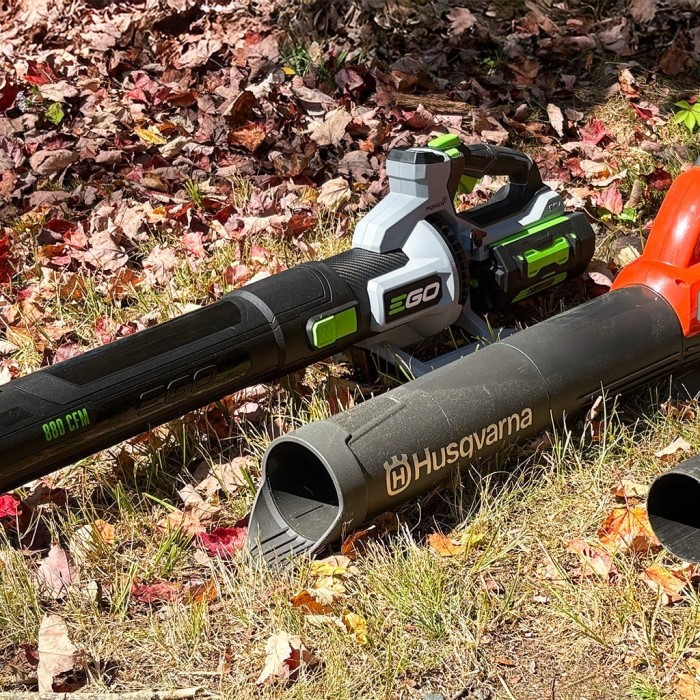
When shopping for yard equipment, you will encounter several distinct styles. Each style serves a different purpose. Handheld leaf vacuums are the most common for small jobs. They are lightweight and easy to maneuver. You can easily store them in a garage or shed. These are perfect for small patios, decks, and tight corners. However, they might not be ideal for large lawns. Holding a vibrating machine for an hour can cause fatigue. Therefore, consider your physical stamina before buying. Next, we have backpack leaf blowers and vacuums. These distribute the weight across your shoulders and back. This design allows for longer use without arm strain. They are popular with professional landscapers. They offer more power than handheld units. Consequently, they handle larger yards with ease.
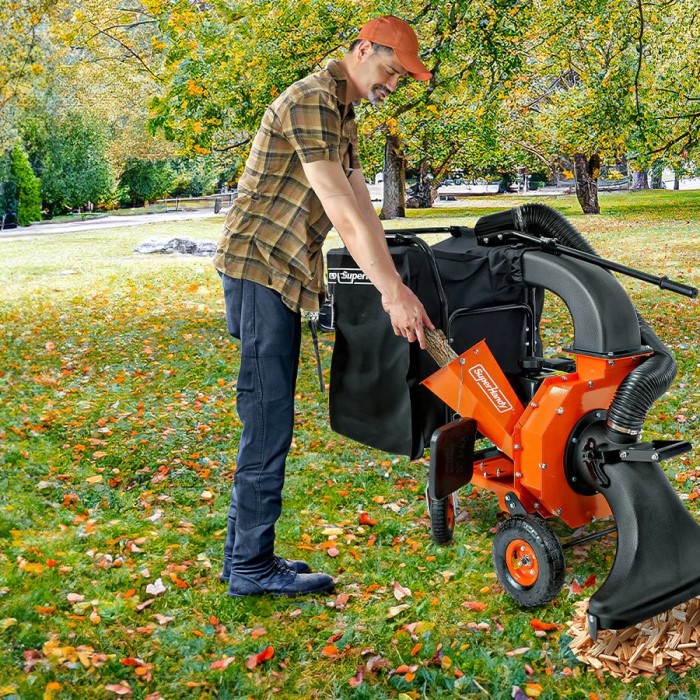
Moreover, walk-behind leaf vacuums represent the heavy hitters. These machines look like small lawn mowers. You push them across the lawn. They feature massive engines and huge intake hoods. They can swallow piles of leaves in seconds. These are ideal for properties with many trees. They save an immense amount of time. However, they require more storage space. They are also more expensive. Another category includes trailer-mounted vacuums. These attach to the back of a riding lawn mower.
Gas vs. Electric: A Detailed Comparison
The power source is a major decision factor. For decades, gas-powered models ruled the market. They offered unmatched power and mobility. You could take them anywhere without worrying about cords. They handle wet, heavy leaves effectively. Gas engines also provide longer run times. A tank of gas lasts much longer than a battery charge. Therefore, they are often the choice for professionals. However, gas models have downsides. They require regular maintenance. You need to change oil, spark plugs, and filters. They also produce emissions. The exhaust fumes can be unpleasant. Furthermore, gas engines are loud. You might disturb neighbors if you work early in the morning. They are also heavier due to the engine components.
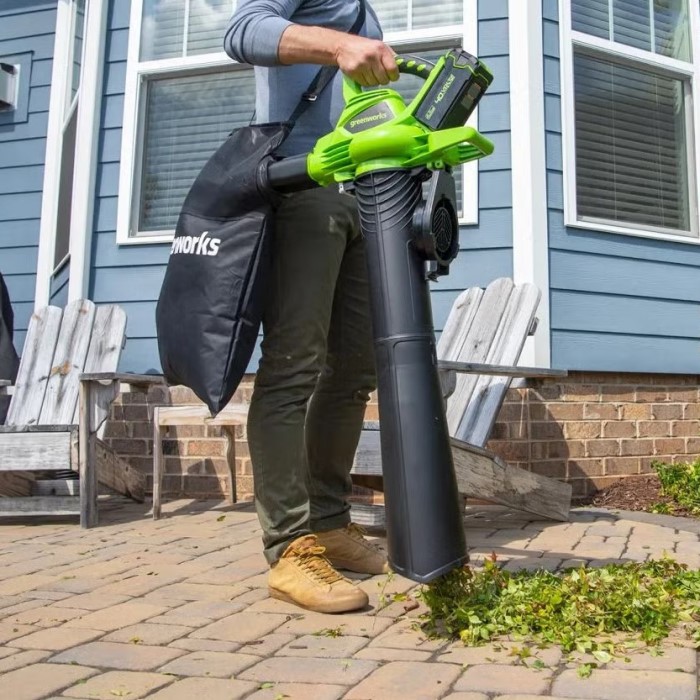
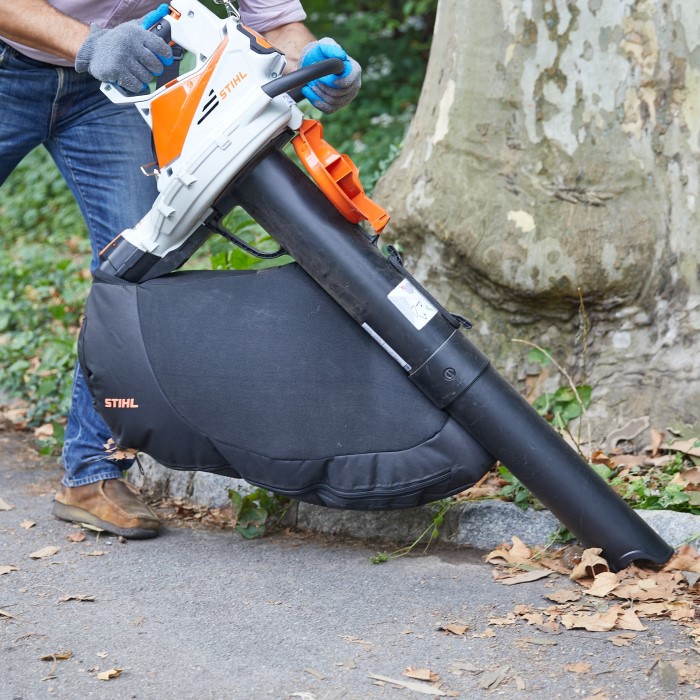
On the other hand, electric models have surged in popularity. Technology has improved rapidly. Corded electric vacuums offer consistent power. You never run out of juice. They are also lighter and quieter than gas models. There is no exhaust smell. They require very little maintenance. Just keep the impeller clear of debris. However, the cord limits your range. You must manage the extension cable as you work. This can be awkward around trees and bushes. Recently, battery-powered or cordless models have become dominant. Lithium-ion batteries now provide ample power. These units offer the best of both worlds. You get the mobility of gas without the fumes.
They are quiet and easy to start. Just push a button. Yet, runtime remains a limitation. Large yards might require multiple batteries. When evaluating the best leaf vacuums, consider your environmental stance. Electric models are undoubtedly eco-friendlier. Also, consider the noise regulations in your area. Some neighborhoods restrict gas engine hours. In the end, your choice depends on power needs versus convenience. Gas offers raw power. Electric offers ease of use and cleanliness.
Key Features to Look for in Top Models
Shopping for a new tool requires attention to detail. You should not just look at the price tag. Specific features determine the usability and longevity of the machine. First, inspect the collection bag. A high-quality bag makes the job easier. Look for a bag with a large capacity. This reduces the number of times you need to stop and empty it. Also, look for a bag with a bottom zipper. This makes emptying simple. You do not want to wrestle with a full bag of leaves. Additionally, consider the vacuum’s weight and ergonomics. Adjustable handles are a great feature. They allow you to find a comfortable working angle. Padded straps are essential for backpack models. They prevent shoulder strain. Comfort is key when working for extended periods.
Furthermore, check the impeller material. As mentioned before, metal impellers are superior. They resist damage from small rocks and twigs. Plastic impellers might chip or break. This affects the vacuum’s performance over time. Another important feature is variable speed control. Some vacuums only have one speed. This can be too powerful for delicate flower beds. Variable speed allows you to adjust the suction. You can use low speed around mulch and high speed on the driveway.
This prevents you from sucking up landscape features by accident. Also, consider the ease of conversion. If buying a blower/vac combo, check how easy it is to switch modes. Some models require tools for the conversion. Others offer tool-free switches. This saves a lot of time and frustration.

Eco-Friendly Benefits of Modern Leaf Vacuums
Many homeowners today are environmentally conscious. We want to maintain our yards without harming the planet. Leaf vacuums can actually support this goal. The primary benefit comes from the mulching capability. When you vacuum leaves, the machine shreds them. This material is excellent for composting. Instead of bagging leaves in plastic for the landfill, you reuse them. You can spread the mulch around trees and flower beds. This retains soil moisture. It also suppresses weeds. Therefore, you reduce the need for chemical herbicides. You also reduce the need for synthetic fertilizers. Decomposed leaves add vital nutrients back into the soil. This creates a natural cycle of renewal for your yard.
Moreover, the shift towards electric models supports eco-friendliness. Electric motors produce zero direct emissions. This reduces your carbon footprint. It also improves local air quality. You breathe cleaner air while you work. Additionally, the noise pollution is significantly lower. Gas engines contribute significantly to noise pollution. This disturbs wildlife and neighbors. Electric models operate much more quietly. This preserves the peace of your neighborhood.
Furthermore, consider the efficiency of the cleanup. A clean lawn prevents fungal diseases. Piles of wet leaves can smother the grass underneath. This kills the lawn. By removing leaves efficiently, you protect the turf. You ensure a healthy lawn for the next spring.
Proper Maintenance and Safety Tips
Investing in a quality tool is only the first step. Proper maintenance ensures your vacuum lasts for years. Neglect leads to breakdowns and poor performance. For gas models, engine care is vital. Check the oil level before every use. Dirty oil can ruin an engine. Change the oil according to the manufacturer’s schedule. Also, inspect the air filter regularly. A clogged filter reduces power and increases fuel consumption. Clean the filter or replace it when necessary. For all models, keep the impeller area clean. Sap and debris can build up on the blades. This causes imbalance and vibration. It makes the motor work harder. Use a brush to clean the housing occasionally.
Safety is equally important. Leaf vacuums are powerful machines. They can cause injury if used incorrectly. Always wear safety glasses. Debris can fly out of the vacuum tube. Small rocks or twigs can injure your eyes. Ear protection is also recommended. This is especially true for gas models. The noise levels can damage hearing over time. Furthermore, be mindful of your surroundings. Check the lawn for large rocks, toys, or hoses before starting. These items can damage the impeller. They can also become dangerous projectiles. Never point the vacuum tube at people or pets. Keep bystanders at a safe distance. Additionally, be careful with the power cord on electric models. Use a grounded outdoor extension cord.
Troubleshooting Common Issues
Even the best machines encounter problems occasionally. Knowing how to troubleshoot saves time and money. One common issue is a lack of suction. If your vacuum is not picking up leaves, check the intake. It might be clogged with wet leaves or debris. Turn the machine off and clear the blockage. Also, check the collection bag. If the bag is full, air cannot circulate. This reduces suction power dramatically. Empty the bag frequently. Another potential cause is a damaged impeller. If you hit a rock, the blade might have bent. A bent impeller spins off-balance. This creates vibration and reduces efficiency. You will need to replace the impeller if it is damaged.
Another issue is the vacuum not starting. For gas models, old fuel is often the culprit. Gas can go stale over the winter. Drain the old fuel and fill it with fresh gas. Also, check the spark plug. A dirty or fouled plug prevents ignition. Clean it or install a new one. For electric models, check the power source. Ensure the outlet works. Inspect the extension cord for breaks. For battery models, the battery might be dead or at the end of its life. Batteries degrade over time and lose their ability to hold a charge.
Try a spare battery to diagnose the issue. Additionally, excessive vibration indicates a problem. Usually, this points to an unbalanced impeller or loose parts. Stop the machine immediately if it vibrates violently. Continued use can damage the motor. Tighten all screws and bolts. If the problem persists, consult a professional. Do not ignore warning signs. Strange noises or smoke indicate serious trouble. Addressing these issues early extends the life of your machine. It ensures that you have one of the best leaf vacuums ready for action whenever you need it.
FAQ
Is there a leaf vacuum that actually works?
Yes, many leaf vacuums work exceptionally well. High-quality models from reputable brands use powerful motors and well-designed impellers. They create strong suction capable of picking up wet and dry leaves. For the best results, choose a model with high CFM (Cubic Feet per Minute) and a metal impeller. These features ensure the machine effectively picks up and shreds debris.
What vacuum is best for picking up leaves?
The best vacuum depends on your yard size. For small yards, a corded electric handheld model is ideal due to its light weight. For medium to large yards, a gas-powered backpack vacuum or a walk-behind model is best. These offer the power and mobility needed to cover large areas efficiently without the restriction of a cord.
Which leaf vacuum is best?
The “best” leaf vacuum is subjective and depends on user needs. However, top-rated models typically feature a high mulching ratio (like 16:1) and a robust engine. Brands like Worx, Toro, and Husqvarna consistently receive high marks. Look for models that offer a blower/vacuum combo for versatility.
Is it better to have more mph or cfm in a leaf blower?
It is generally better to have higher CFM. CFM measures the volume of air moved, which allows you to move a larger pile of leaves at once. MPH measures the speed of the air, which is good for dislodging stuck debris. However, without sufficient volume (CFM), the speed alone will not move a large pile efficiently. A balance of both is ideal, but CFM is usually more important for moving leaves.
Conclusion
Maintaining a beautiful yard requires the right tools. The days of endless raking are over. Modern technology provides efficient solutions for every homeowner. We have explored the mechanics, types, and benefits of these machines. From handheld units to powerful walk-behinds, there is a model for every need. We compared the raw power of gas engines against the eco-friendly nature of electric motors. Both have their merits. The choice depends on your specific yard requirements and personal preferences. Remember to prioritize key features like mulching ratios, impeller material, and comfort. These factors determine the long-term value of your purchase. Safety and maintenance are also critical.
A well-cared-for machine will serve you for many autumns to come. Furthermore, consider the environmental impact. Using a vacuum to create mulch is a sustainable practice. It enriches your soil and reduces waste. As you prepare for the falling leaves this season, choose wisely. Select a tool that offers power, efficiency, and reliability. The market offers many options. However, finding the best leaf vacuums requires research and understanding. We hope this guide has provided the knowledge you need. Now you can confidently select a vacuum that transforms yard work from a chore into a satisfying accomplishment. Enjoy your clean, pristine lawn.