

Introduction
Every homeowner eventually faces the frustration of a tripped breaker or the need to work on an electrical outlet. Consequently, identifying the correct switch in a crowded, unlabeled electrical panel becomes a guessing game that can be dangerous and time-consuming. This is where a circuit breaker finder becomes an indispensable device for anyone attempting electrical work at home. Instead of flipping switches randomly and hoping for the best, this tool allows you to precisely locate the circuit breaker controlling a specific outlet or light fixture with ease. Therefore, understanding how this tool functions and why it is essential can save you significant time and hassle.
Furthermore, using a circuit breaker finder dramatically increases safety by ensuring the power is completely off before you begin any repairs. This article will explore the technology behind these devices, their benefits, and how to choose the right model for your needs. We will also provide a step-by-step guide on how to use one effectively, ensuring your DIY electrical projects proceed without a hitch. By the end, you will see why this small investment is crucial for maintaining a safe and efficient home electrical system.
Understanding the Circuit Breaker Finder
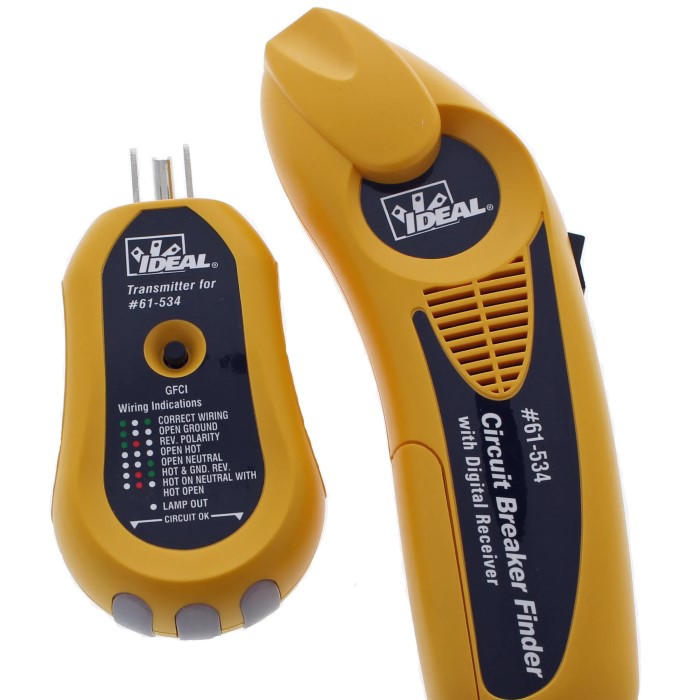
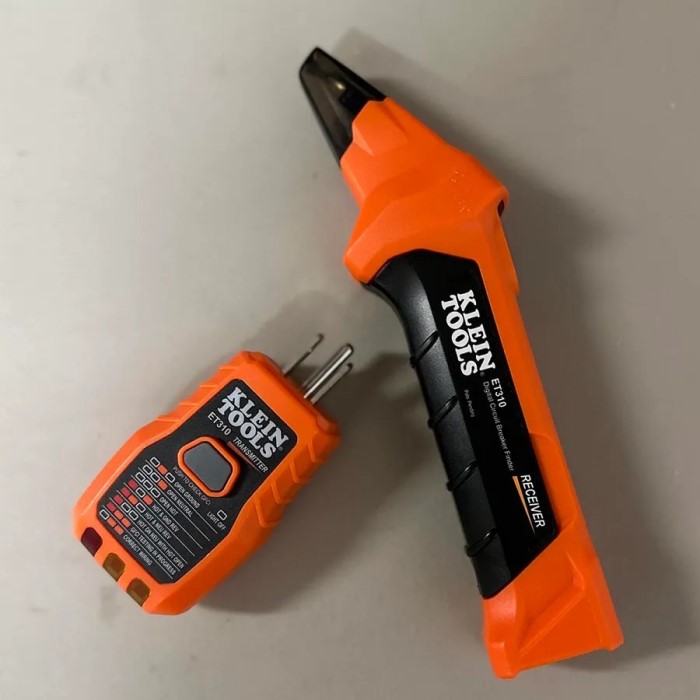
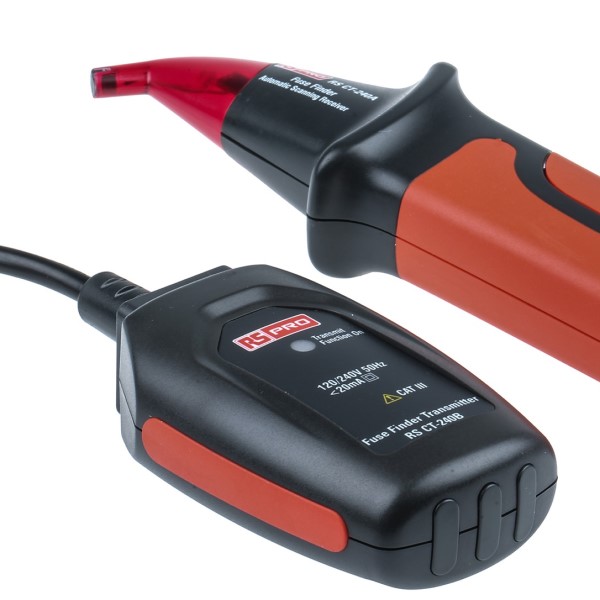
A circuit breaker finder is a specialized diagnostic tool designed to identify the specific circuit breaker that controls an electrical outlet or fixture. To understand its value, you must first understand the problem it solves. In most homes, the electrical panel contains rows of switches that are often poorly labeled or not labeled at all. Consequently, finding the right breaker for a specific room or outlet usually involves a tedious process of trial and error. However, a circuit breaker finder simplifies this task through the use of electronic signaling. The device typically consists of two main parts: a transmitter and a receiver. The transmitter plugs into the outlet or connects to the wire you are testing. It then sends a distinct electrical signal through the wiring.
Meanwhile, the receiver is a handheld wand that you use at the electrical panel. You simply slide the receiver along the breakers while it listens for the signal sent by the transmitter. Once the receiver detects the specific signal, it alerts you with a loud beep and often a flashing light. Therefore, you instantly know exactly which breaker to turn off. This technology works effectively because the signal travels directly through the wires connecting the outlet and the panel.
Furthermore, modern circuit breaker finders are designed to ignore background electrical noise. This ensures that the reading is accurate and reliable. Unlike the old method of plugging in a lamp and flipping breakers to see when the light goes out, this tool requires only one person and does not require resetting clocks or other electronics in the house. Consequently, it is the most efficient method for mapping out a home’s electrical system.
Key Features and Benefits of Using One
The primary benefit of using a circuit breaker finder is undoubtedly the enhancement of safety. Working with electricity always carries inherent risks, and the most critical rule is to cut the power before touching any wires. However, if you accidentally turn off the wrong breaker, you might still be working on a live circuit. This mistake can lead to severe electric shock or even death. Therefore, a circuit breaker finder eliminates this risk by positively identifying the correct switch every time. Additionally, these tools offer unmatched convenience. For instance, if you are installing a new ceiling fan or replacing an outlet, you need to know which circuit is live. Without this tool, you might spend twenty minutes flipping breakers and running back and forth to the room to check power.
Moreover, these devices are incredibly easy to use, even for those with limited electrical knowledge. Most models are designed to be intuitive and user-friendly. They often come with clear instructions and require minimal setup. Another key feature to look for is the ability to test GFCI outlets. Ground Fault Circuit Interrupters are common in kitchens and bathrooms, and a good finder can verify if they are wired correctly. Furthermore, many finders include a non-contact voltage detection Features. This allows you to check if a wire is live before you even touch it, adding another layer of protection. Consequently, the tool serves multiple purposes, making it a versatile addition to any toolbox. The time saved on a single project can often justify the cost of the tool, not to mention the peace of mind it provides.
How to Use a Circuit Breaker Finder Step-by-Step
Using a circuit breaker finder is a straightforward process, but following the steps correctly ensures accurate results. First, you must ensure the outlet you are testing is live. The transmitter needs power to send a signal through the wires. Therefore, plug the transmitter into the wall outlet you wish to trace. Some models also have alligator clips for direct connection to bare wires, which is useful for light fixtures. Once plugged in, the transmitter will usually light up to indicate it is sending a signal. Next, go to your electrical panel. You should hold the receiver wand in your hand. Before you start scanning, it is often helpful to adjust the sensitivity of the receiver if your model allows it.
Then, place the tip of the receiver against the first circuit breaker. Slowly slide the receiver down the row of breakers. As you approach the correct breaker, the receiver might start to beep intermittently. You should continue scanning until the signal is strongest. The correct breaker will trigger a solid, loud beep and usually a bright flashing light on the receiver. Once identified, you can switch that breaker off. To verify, check the outlet again. The light on the transmitter should now be off, confirming the power has been cut. If the signal is unclear or if multiple breakers seem to trigger the tool, you may need to adjust the sensitivity dial. This process effectively maps your circuit. Finally, label the breaker clearly once you have found it. This simple step will save you time in the future and makes future maintenance much easier for anyone working on the house.
Choosing the Right Model for Your Needs
When shopping for a circuit breaker finder, you will encounter various models ranging from basic to professional-grade. Choosing the right one depends on your specific needs and budget. For the average DIY homeowner, a standard model with a digital display or clear LED indicators is usually sufficient. You should look for a model that has adjustable sensitivity. This feature is crucial because it allows you to narrow down the correct breaker in panels with high electrical interference. Furthermore, consider the build quality of the tool.
Another factor to consider is the power source. Most receivers use a standard 9-volt battery, while the transmitter plugs directly into the wall. You should check if the model you choose has a low battery indicator, as a weak battery can lead to false readings. Additionally, some advanced models come with a GFCI outlet tester built into the transmitter. This added feature allows you to check for wiring faults like open grounds or reversed polarity while you are locating the breaker.
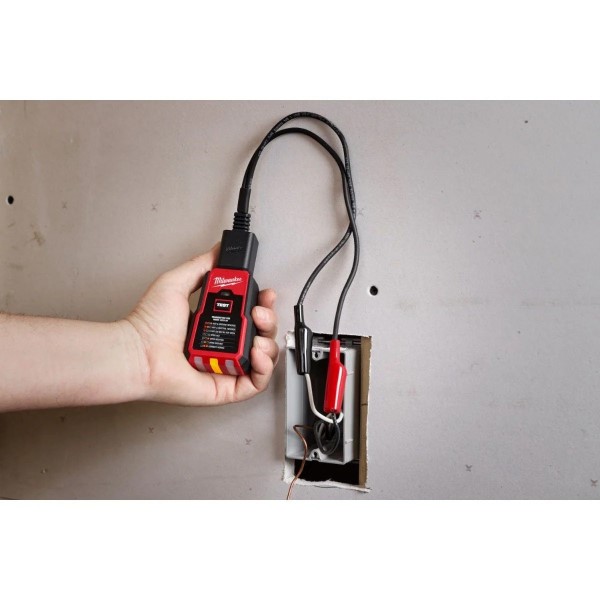
Therefore, you get two tools in one. If you are a professional electrician, you might want a model with an auto-shutoff feature to save battery life during long workdays. On the other hand, if you only need it for occasional home repairs, a simpler analog model might be more cost-effective. Reading customer reviews can also provide insight into the reliability and accuracy of different brands, helping you make an informed decision.
Common Mistakes to Avoid
While a circuit breaker finder is user-friendly, there are common mistakes that can lead to inaccurate readings or frustration. One of the most frequent errors is failing to ensure the outlet has power before plugging in the transmitter. If the circuit is already dead, the transmitter cannot send a signal. Consequently, you will scan the entire panel without ever finding a match. Always check that the transmitter’s light is on before you head to the breaker panel. Another mistake involves the sensitivity settings on the receiver. If the sensitivity is set too high, the receiver might pick up signals from neighboring breakers or background noise. This leads to confusion because multiple breakers appear to be the correct one. Therefore, always start with a lower sensitivity and increase it if you cannot find a signal.
Furthermore, holding the receiver at an angle or too far away from the breakers can also cause issues. The sensor needs to be close to the metal bus bar to detect the signal effectively. You should run the receiver flat against the breakers for the best results. Another pitfall is ignoring the condition of your electrical panel. Old or dirty panels can sometimes interfere with signal transmission. Cleaning the face of the breakers can sometimes improve accuracy. Finally, never rely solely on the tool without verification. Once you identify the breaker, always double-check that the power is indeed off at the outlet using a voltage tester. This extra step is the hallmark of a safe and competent electrician. Avoiding these simple errors ensures that your experience with the tool is both quick and safe.
Troubleshooting Your Device
Sometimes, you might find that your circuit breaker finder is not performing as expected. Before assuming the tool is broken, you can perform a few troubleshooting steps. First, check the batteries. This is the most common cause of failure. If the batteries in the receiver or the backup battery in the transmitter are low, the signal will be weak or non-existent. Therefore, replace the batteries with fresh ones and test the device on a known circuit. If the problem persists, check the outlet itself. The outlet might be controlled by a dimmer switch or a GFCI that has tripped. If the outlet is dead for these reasons, the transmitter will not function. Additionally, verify that you are testing the correct side of the outlet. In some split-wired receptacles, the top and bottom halves are on different circuits.
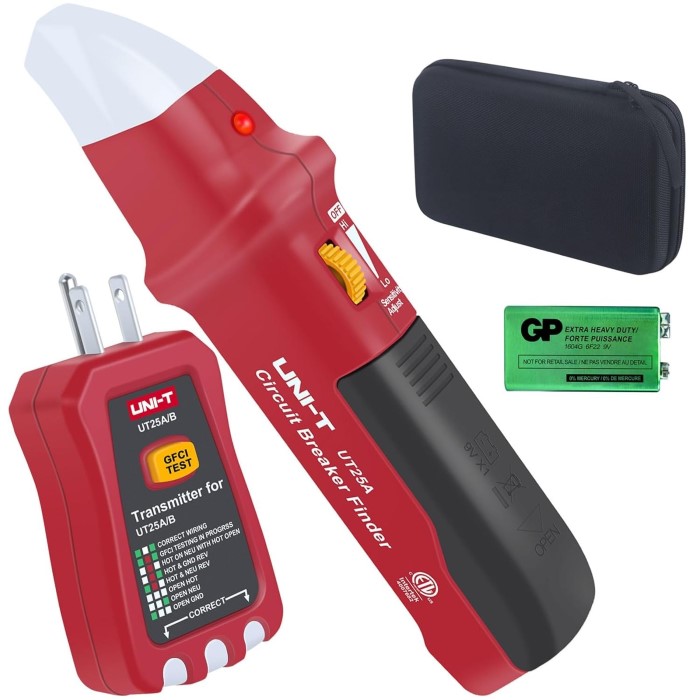
Moreover, electrical interference can cause significant issues. If you are scanning a sub-panel or a panel with very high current loads, the magnetic fields can disrupt the signal. Try to isolate the area you are scanning and move away from heavy machinery or appliances that might be running. You can also try testing a different outlet on the same circuit to see if the signal is stronger. If the receiver is beeping randomly or constantly, the sensitivity might be set too high.
Resetting the tool by turning it off and on again can also clear any internal glitches. If none of these steps work, consult the manufacturer’s manual for specific reset codes or warranty information. Most quality tools come with a warranty, so you might be able to get a replacement if the device is truly defective. Proper maintenance, such as storing the tool in a dry case, can also extend its lifespan significantly.
Frequently Asked Questions
Do circuit breaker finders really work?
Yes, circuit breaker finders work very effectively for most residential and light commercial applications. They use a signal that travels through the wire to identify the correct breaker. However, their accuracy depends on the quality of the device and the condition of the wiring. High-quality models are very reliable and can pinpoint breakers quickly. They work best on standard 120V and 240V circuits found in homes.
What is a circuit breaker finder used for?
A circuit breaker finder is primarily used to identify which breaker controls a specific outlet, light, or appliance. This is essential for safety during electrical repairs. It eliminates the need to guess which switch to flip. It is also used for mapping out an unlabeled electrical panel. This helps homeowners create a clear directory of their circuits for future reference.
How do you find a circuit breaker?
You find a circuit breaker by plugging the transmitter of the finder into the outlet. Then, you take the receiver to the panel and scan the breakers. The receiver will beep or flash when it detects the signal from the transmitter. This indicates the correct breaker. It is a much faster process than the manual method of flipping breakers one by one.
What is the most accurate circuit breaker finder?
The most accurate circuit breaker finders are typically digital models with adjustable sensitivity. Brands like Klein Tools, Extech, and Sperry are known for their reliability. Models that can distinguish between specific signals and background noise offer the best accuracy. Reading professional reviews can help you find the specific model that suits your electrical setup best.
Conclusion
In summary, every homeowner and DIY enthusiast should consider adding a circuit breaker finder to their collection of tools. It transforms a potentially dangerous and frustrating task into a quick and manageable one. By using this tool, you ensure that you are working on de-energized circuits, protecting yourself from electrical hazards. Whether you are simply trying to reset a tripped breaker or undertaking a major renovation project, the accuracy and convenience provided by a circuit breaker finder are unmatched. It simplifies the complex web of wires behind your walls and puts control back in your hands. Investing in this tool means investing in your safety and the efficiency of your home maintenance routine.