

The Importance of a Clean Kitchen Appliance
A microwave is a kitchen essential. Consequently, it sees a lot of daily use. You heat leftovers, cook vegetables, and make popcorn. Over time, food splatters accumulate inside. This creates a messy and unhygienic environment. Therefore, knowing how to clean a microwave is a vital skill. A dirty microwave can smell bad. It can also affect the taste of your food. Furthermore, grease build-up can damage the appliance. It might even become a fire hazard. Regular maintenance extends the life of your machine. It ensures your food stays safe. Many people avoid this task because it seems difficult. However, it does not have to be a chore. With the right approach, you can clean it quickly. You will feel better seeing a sparkling appliance. It makes your whole kitchen look tidier. Thus, a clean microwave contributes to a healthier home.
Gathering Your Cleaning Supplies
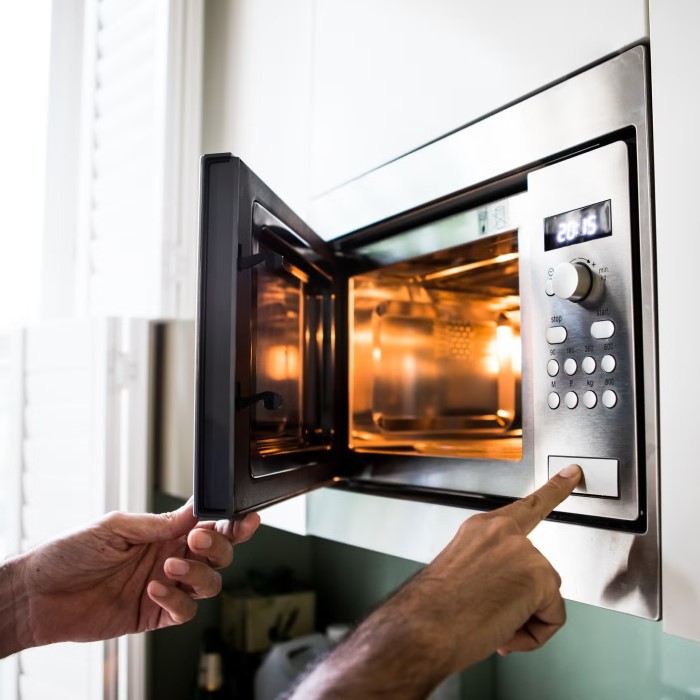
First, you need to assemble your tools. You likely have everything you need at home. There is no need for expensive chemicals. For the steam method, you need white vinegar. Water is also essential. You will need a microwave-safe bowl. Additionally, a sponge or microfiber cloth is necessary. You might also want a toothpick or a small brush. These help clean tight crevices. For the exterior, dish soap works best. You will also need a dry towel for wiping. Baking soda is another useful item. It acts as a gentle abrasive. It helps scrub away stubborn stains. Lemon is a great natural alternative too. It leaves a fresh scent. Once you have these items ready, you can begin. This preparation saves time later. You will not need to stop in the middle of the process. Everything will be within reach.
The Power of Steam Cleaning
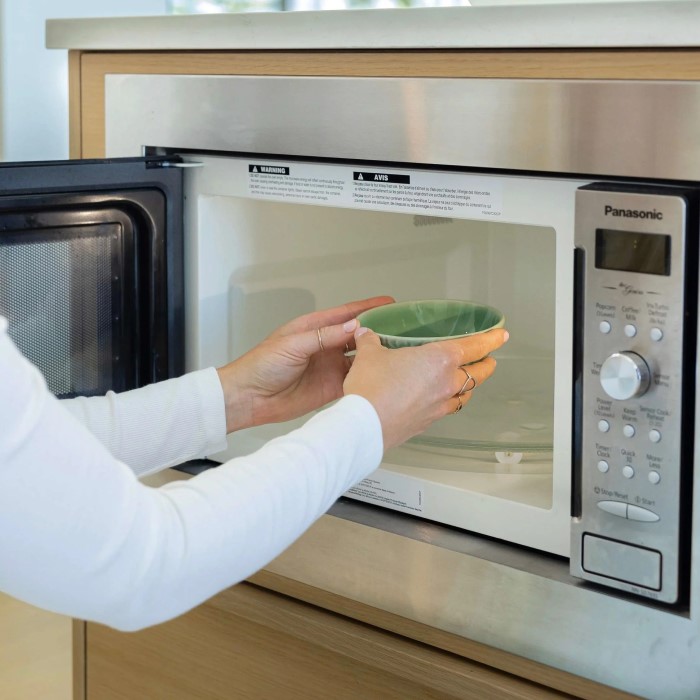
How to clean a microwave? Steam is your best friend for this task. It loosens grime without harsh scrubbing. First, fill a microwave-safe bowl with water. Add one tablespoon of white vinegar. Alternatively, you can use lemon juice. Then, place the bowl inside the appliance. Next, run the microwave on high power. Set the timer for five minutes. The water will boil and create steam. This steam softens the dried food particles. After the timer beeps, do not open the door immediately. Wait for another five minutes. This allows the steam to work effectively. Eventually, the grime will wipe away easily. You will be surprised at the result. This method saves energy. It also protects the interior surface from scratches. Therefore, steaming is the preferred method for busy households.
Scrubbing Away Tough Stains
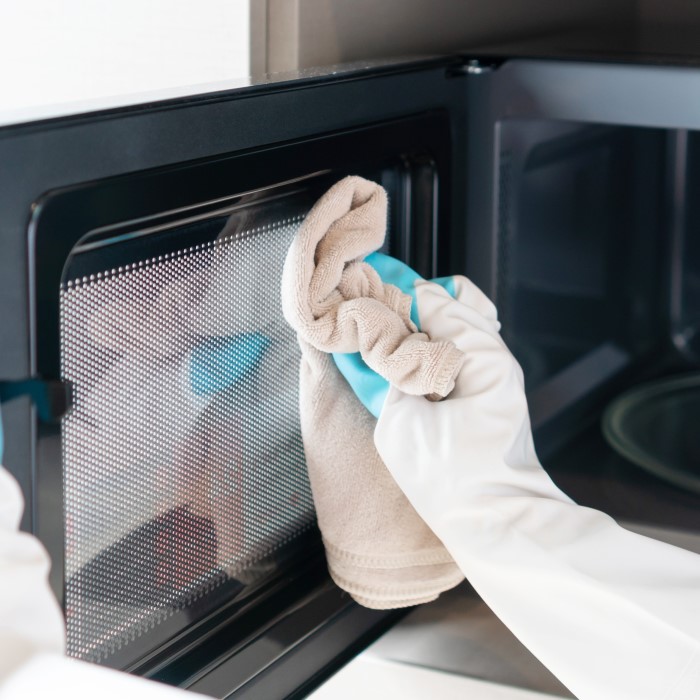
How to clean a microwave? Sometimes, steam is not enough. You might find stubborn, baked-on food spots. For these, you need a gentle scrubbing agent. Baking soda is perfect for this job. Make a paste using baking soda and water. Apply this paste directly to the stain. Let it sit for a few minutes. Then, use a sponge to scrub gently. The stain should lift off easily. Moreover, you can use a damp cloth. Dip it in a little baking soda. Scrub the area in circular motions. This acts as a mild abrasive. It removes the residue without damaging the paint. However, be careful around the vents. You do not want powder to enter the mechanism. After scrubbing, wipe the area with a damp cloth. This removes any leftover baking soda. Your microwave interior will look brand new.
Cleaning the Exterior and Door
How to clean a microwave? The inside is important, but the outside matters too. The exterior collects fingerprints and grease. Consequently, it looks dull. To clean it, mix dish soap with warm water. Dip a sponge into the solution. Wring it out well. You do not want water dripping into the vents. Wipe down the handle first. It usually has the most germs. Then, clean the sides and top. For stainless steel models, use a specialized cleaner. Alternatively, use a little rubbing alcohol. It removes smudges effectively. The door also requires attention. Food often splatters on the inside of the door. Clean the rubber seal around the door as well. Crumbs often get trapped there. Use a damp cloth to wipe the seal clean. Finally, dry the surface with a soft cloth. This prevents streaks and water spots.
Dealing with Unpleasant Odors
How to clean a microwave? Old microwaves often smell. Burnt popcorn is a common culprit. These odors can linger for days. Fortunately, removing smells is simple. First, clean the interior thoroughly. Often, the smell comes from leftover food. If the smell persists, use baking soda. Place a small bowl of baking soda inside. Leave it overnight. It will absorb the odors naturally. Another option is using vanilla extract. Mix a few drops with water. Microwave it for two minutes. The scent of vanilla will permeate the space. Additionally, you can use coffee grounds. Spread wet grounds on a plate. Microwave them for thirty seconds. The coffee smell will mask the odor. These tricks keep your kitchen smelling fresh. You do not need chemical air fresheners. Natural solutions work just as well.
Maintaining a Splatter-Free Zone
How to clean a microwave? Prevention is always better than a cure. You can reduce the need for deep cleaning. Simply cover your food while cooking. Use a microwave-safe lid. Alternatively, use a paper towel. This stops food from exploding onto the walls. Furthermore, wipe up spills immediately. Do not let them dry. Dried food is much harder to remove. A quick wipe with a damp paper towel is sufficient. Make this a habit after every use. It takes only seconds. This small step saves you time later. You will rarely need to scrub. Additionally, check your food containers. Ensure they are microwave-safe. Some plastics melt. They can leave messy residue on the turntable. By following these tips, you maintain a clean appliance. Your microwave will stay fresh longer.
Safety Precautions to Remember
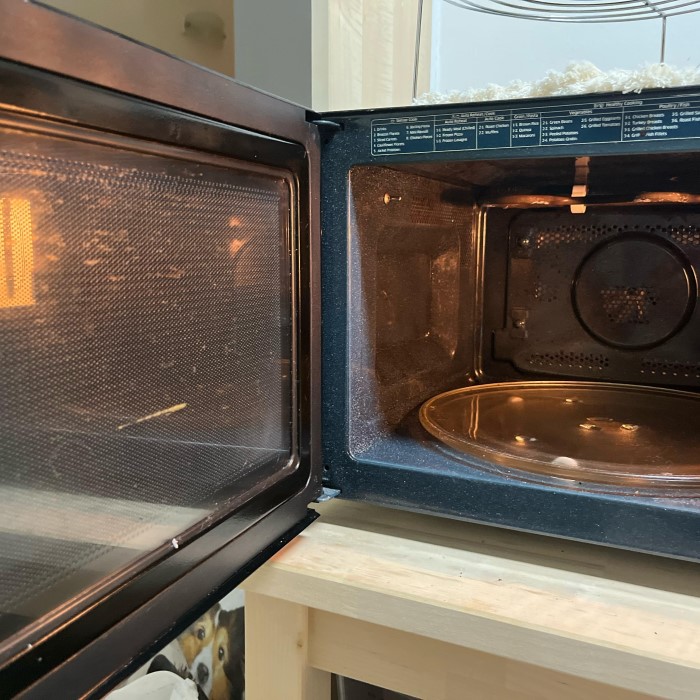
Safety should always be your priority. Before you start cleaning, unplug the appliance. This prevents accidental shocks. Water and electricity are a dangerous mix. If you cannot unplug it, be very careful. Avoid getting water near the electrical sockets. Also, never use metal scrubbers inside. They can damage the interior walls. They might also create sparks. This damages the magnetron. Moreover, be careful with hot water. The bowl you use for steaming will be very hot. Use oven mitts to remove it. Do not burn your hands. Never spray cleaning fluids directly onto the control panel. The liquid can seep inside. This damages the electronics. Spray the cloth instead. Then, wipe the panel. These precautions keep you safe. They also protect your investment.
Natural vs. Chemical Cleaners
Many people wonder which cleaner is best. Chemical cleaners promise deep cleaning. They often come in convenient sprays. However, they contain harsh ingredients. These can leave toxic residues. Your food touches these surfaces. Therefore, natural cleaners are safer. Vinegar and lemon are natural disinfectants. They kill bacteria effectively. Baking soda is a non-toxic abrasive. It cleans without chemicals. Furthermore, natural cleaners are cheaper. You likely have them in your pantry. They are also eco-friendly. They do not pollute the water supply. On the other hand, chemical cleaners might be faster. They require less elbow grease. But the risk of contamination is higher. For a household that cooks often, natural is better. You ensure your food remains healthy. You also keep your family safe from toxins.
Troubleshooting Common Microwave Issues
Sometimes, cleaning reveals other problems. You might see paint peeling inside. This is usually not a major issue. However, it indicates age. You might also notice the turntable sticking. Remove it and clean the wheels underneath. Often, debris blocks the track. Another issue is a sparking microwave. This is serious. It usually means metal is inside. Check for aluminum foil fragments. If sparking continues, stop using it. Call a technician. Also, check the light bulb. It might burn out. You can usually replace it yourself. Consult the manual for instructions. Regular cleaning helps you spot these issues early. You can fix them before they get worse. A well-maintained microwave lasts for many years. It becomes a reliable partner in your kitchen.
Step-by-Step Deep Cleaning Guide
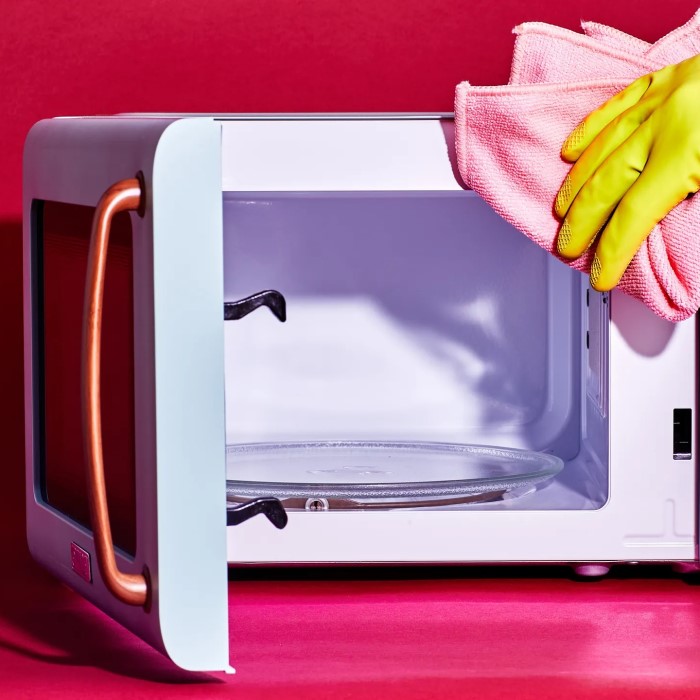
For a thorough clean, follow this guide. First, remove the turntable and support ring. Wash them in the sink with soapy water. Let them dry completely. Next, use the steam method mentioned earlier. Soften the grime inside. Then, wipe the interior with a damp cloth. Use a toothpick to clean the vents. Afterward, clean the exterior door and handle. Wipe the control panel with a dry cloth. Do not use water here. Once everything is clean, replace the turntable. Finally, wipe the outside with a stainless-steel cleaner. This guide ensures every part is addressed. You do not miss any spots. Doing this once a month keeps your microwave in top condition. It becomes a routine rather than a burden. You will appreciate the cleanliness.
The Benefits of a Spotless Appliance
A clean microwave offers many benefits. First, it improves food hygiene. You avoid cross-contamination. Old bacteria do not infect fresh food. Second, it tastes better. Lingering odors do not alter the flavor. Third, it operates more efficiently. A clean machine heats food evenly. It does not waste energy heating dried food. Fourth, it looks better. Your kitchen appears organized. This improves your mood while cooking. You feel more motivated to prepare meals. Additionally, a clean appliance has a higher resale value. If you ever upgrade, you can sell the old one. It reflects well on your housekeeping skills. Guests will notice the difference. It sets a standard for the rest of the kitchen. Therefore, the effort is worth the reward. You gain a functional and beautiful kitchen tool.
Quick Daily Habits for Maintenance
Incorporating small habits makes cleaning easy. For instance, wipe the handle daily. We touch it with dirty hands. A quick wipe removes germs. Also, inspect the inside after every use. If you see a splatter, clean it immediately. Use a wet paper towel. It takes ten seconds. This prevents build-up. Another habit is checking the turntable. If it is dirty, rinse it. Do not wait for the weekend. Weekly, do a quick steam clean. Run the lemon water cycle. It refreshes the interior. These habits become automatic. They require minimal time. Consequently, you never face a mountain of grime. Your microwave stays ready for use. You save time in the long run. You also avoid heavy scrubbing sessions. Maintenance is the secret to a tidy home.
FAQ: Common Microwave Cleaning Questions
1. Can I use bleach to clean my microwave?
You should avoid using bleach. Bleach is a harsh chemical. It can damage the interior surfaces. Furthermore, it leaves strong fumes. These fumes are dangerous when heated. Instead, stick to safer alternatives. Vinegar and water work perfectly.
2. How often should I clean my microwave?
Ideally, you should wipe it daily. Use a damp cloth or paper towel. This removes fresh splatters. For a deep clean, aim for once a week. This prevents grease build-up. However, it depends on usage. If you use it frequently, clean it often.
3. Why does my microwave smell bad?
Bad smells usually come from food residue. Old splatters burn when the microwave runs. This creates unpleasant odors. Sometimes, the smell comes from the vent. Check the filter if you have a hood. It might need replacing. To remove smells, use lemon or vinegar. Steam the interior. You can also leave baking soda overnight. It absorbs moisture and odors. Ensure the turntable is clean. Food often hides underneath it. A thorough cleaning usually solves the problem.
4. Is it safe to run the microwave empty?
No, you should never run it empty. This can damage the appliance. Microwaves need food or liquid to absorb energy. Without it, the waves bounce around. They can damage the magnetron. This is the main component.
Conclusion
Mastering microwave maintenance is essential. It ensures a healthy kitchen environment. You have learned how to clean a microwave using simple methods. Steam, vinegar, and baking soda are powerful tools. They are safe and effective. Regular cleaning prevents stubborn stains. It also removes bad odors. Remember to wipe spills immediately. Use covers to prevent splatters. These small steps make a big difference. A clean appliance cooks food safely. It also looks great in your kitchen. By following this guide, you save time and effort. You protect your investment. You also ensure delicious meals for your family. Start your cleaning routine today. You will enjoy the sparkling results.