

Understanding the Basics of Home Humidity
Maintaining proper humidity levels is crucial for health. Many homes suffer from dry air, especially during winter. This dry air can cause respiratory issues. It also leads to dry skin and sore throats. Therefore, a humidifier becomes an essential appliance. However, choosing the right model is often confusing. Consumers frequently struggle with the decision of evaporative vs ultrasonic humidifier options. Both types add moisture to the air. Yet, they accomplish this through very different mechanisms. Consequently, understanding these differences is the first step. You must know how they work. This knowledge ensures you make a wise purchase.
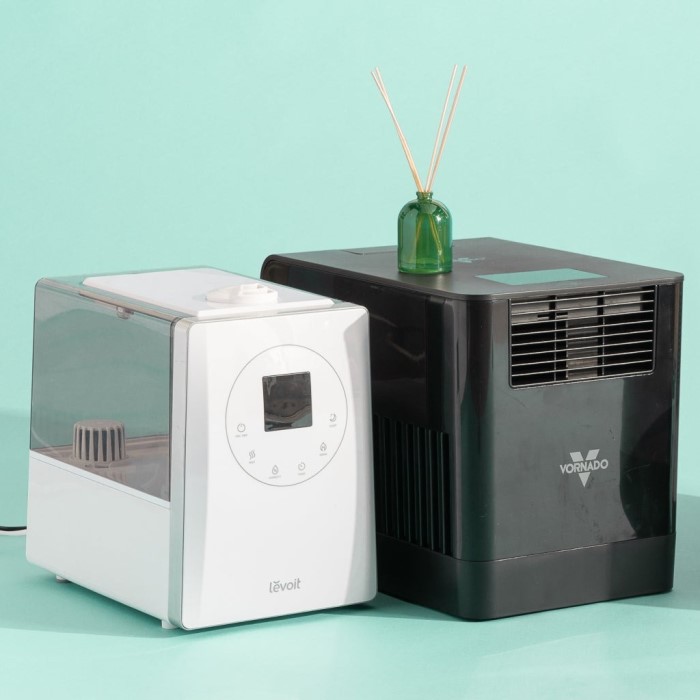
Furthermore, the market in 2026 offers advanced features. Modern units are smarter and more efficient. They connect to home automation systems. They also feature improved safety mechanisms. But the fundamental technology remains distinct. One relies on natural evaporation. The other uses high-frequency sound waves. As a result, their applications differ. One might suit a bedroom perfectly. The other might be better for a large living area. Additionally, your local water quality matters. Hard water affects one type more than the other. So, you must consider your specific environment.
Moreover, health implications are significant. Improper use of humidifiers can lead to problems. Over-humidification promotes mold growth. Dirty tanks release bacteria into the air. Therefore, you must choose a unit that fits your lifestyle. You need a device that you can clean easily. If maintenance is difficult, you might neglect it. This neglect poses health risks. Thus, ease of use is a major factor.
The Science Behind Evaporative Technology
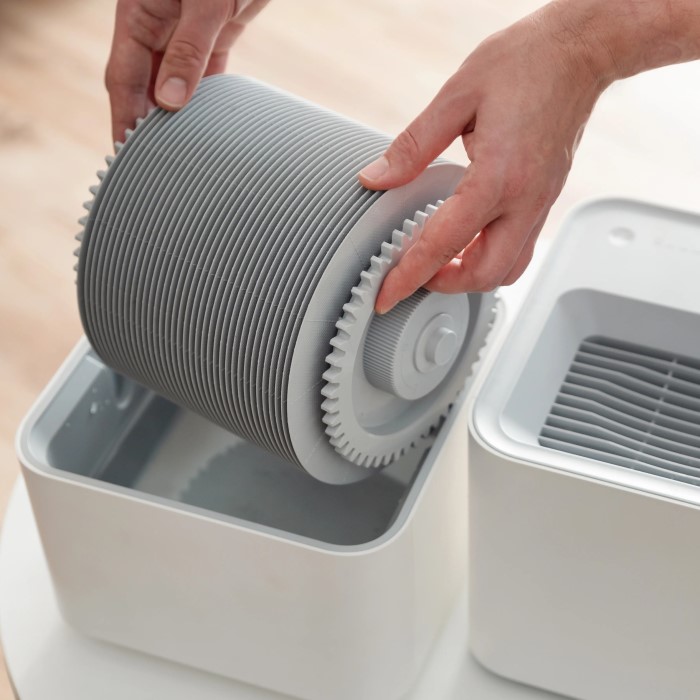
Evaporative humidifiers are often called cool mist humidifiers. They operate on a very simple principle. In fact, they mimic the natural water cycle. The device uses a fan. This fan blows air through a moistened wick filter. Consequently, the water evaporates into the air. The fan then pushes this moist air into the room. It is a self-regulating process. The air only absorbs the moisture it can hold. Therefore, the risk of over-humidification is lower.
Furthermore, the wick filter plays a vital role. It acts as a trap for impurities. Water contains minerals and bacteria. The wick captures these elements. As a result, the evaporative model does not release white dust. This is a significant advantage. It ensures the air remains clean. However, the wick requires regular replacement. If it gets clogged, the efficiency drops. You cannot wash and reuse it indefinitely. Thus, there is an ongoing cost.
Additionally, the fan creates noise. Some people find the sound soothing. It acts as white noise. However, others find it distracting. This is important for light sleepers. Modern models have quieter fans. But they are rarely silent. Consequently, you must consider the placement. A living room might be fine. A quiet bedroom might require more thought.
Moreover, these units are very safe. There is no heating element involved. The water is not boiled. Therefore, there is no risk of burns. This makes them ideal for children’s rooms. You can place them anywhere without worry. They use very little electricity too. The only power consumption comes from the fan. So, they are energy-efficient. They are a robust, reliable choice for many families.
How Ultrasonic Humidifiers Function
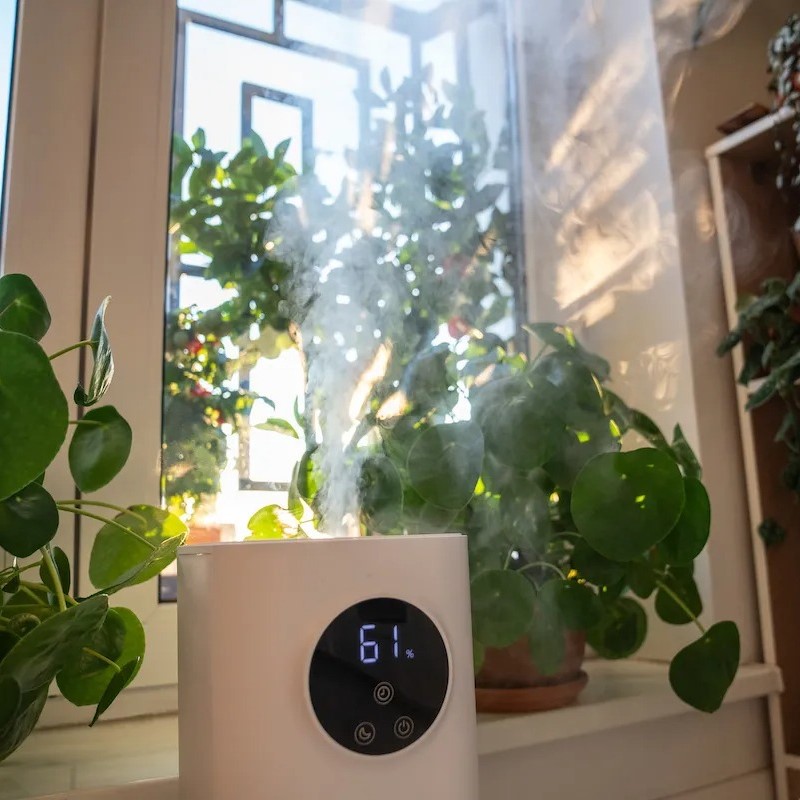
Ultrasonic humidifiers use high-tech vibrations. They contain a small metal diaphragm. This diaphragm vibrates at an ultrasonic frequency. Consequently, the vibration breaks water into tiny droplets. These droplets form a fine mist. A small fan then propels this mist into the room. The process is almost silent. You might hear a slight hum. But there is no fan noise like in evaporative models. Therefore, they are popular for bedrooms.
Furthermore, these devices are versatile. They can produce either a cool or warm mist. Some models offer both options. The warm mist is created by a heating element. This adds heat to the room. It can be comforting in winter. The cool mist is refreshing in summer. Thus, you get dual functionality. This flexibility appeals to many users. It allows for year-round use.
Additionally, ultrasonic models are usually smaller. They do not need a large fan or a bulky wick filter. They have a sleek, modern design. Consequently, they fit easily on a nightstand. They are also very energy-efficient. The vibration uses minimal power. Even the warm mist setting uses less energy than a steam vaporizer. So, they are cost-effective to run daily.
However, the lack of a filter is a double-edged sword. There is nothing to trap minerals in the water. Therefore, the mist carries these minerals into the air. They settle as a fine white dust on furniture. This dust is not harmful, but it is annoying. You must use distilled water. Or you must clean the unit frequently. This issue is central to the evaporative vs ultrasonic humidifier debate. It requires careful attention.
Analyzing the White Dust and Water Quality
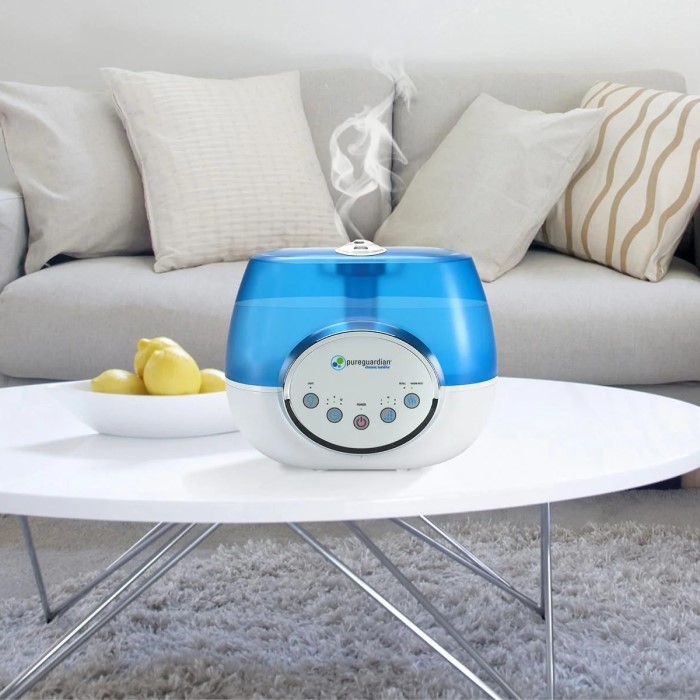
The “white dust” phenomenon is a major concern. It is specific to ultrasonic humidifiers. As mentioned, the vibrating diaphragm shatters water. It shatters everything in the water. This includes dissolved minerals like calcium and magnesium. These minerals become airborne. Eventually, they settle on surfaces. Your black furniture might look dusty. Your electronics could be at risk. Consequently, water quality dictates your choice.
If you have hard water, an ultrasonic unit requires extra work. You must buy distilled water. Buying gallons of water is inconvenient. It also adds to the long-term cost. Alternatively, you can install a demineralization cartridge. These cartridges help reduce the dust. However, they are not perfect. They also need replacement. Therefore, the maintenance adds up. In contrast, evaporative units handle hard water well. The wick filter traps the minerals. You do not see white dust.
Furthermore, this dust can affect air quality. It is not toxic. But breathing in minerals is not ideal. The American Lung Association suggests caution. They recommend using distilled water. This ensures the cleanest air possible. Therefore, if you have respiratory issues, consider this. An evaporative model might be safer. It naturally filters the water. It provides a layer of protection.
Moreover, cleaning hard water deposits is tough. Scale builds up on the diaphragm. The ultrasonic mechanism fails if the diaphragm is coated. You must use vinegar to clean it. This involves soaking the unit. It takes time. Evaporative units also get scale. But the scale stays on the wick. You simply throw the wick away. So, the maintenance is different. One involves scrubbing. The other involves replacement. You must decide which you prefer.
Maintenance and Hygiene Comparison
Maintenance is the least exciting part of ownership. However, it is the most critical. A dirty humidifier is a health hazard. It can release bacteria and mold. This creates the opposite of healthy air. Therefore, cleaning frequency is key. In the evaporative vs ultrasonic humidifier comparison, both need care. But the tasks differ.
Evaporative units have a wick. This wick sits in water constantly. It is a breeding ground for mold. You must check it regularly. If it smells musty, change it immediately. You cannot ignore it. The tank also needs cleaning. You should scrub it with vinegar weekly. This prevents slime buildup. Therefore, maintenance is straightforward. You replace the filter and clean the tank.
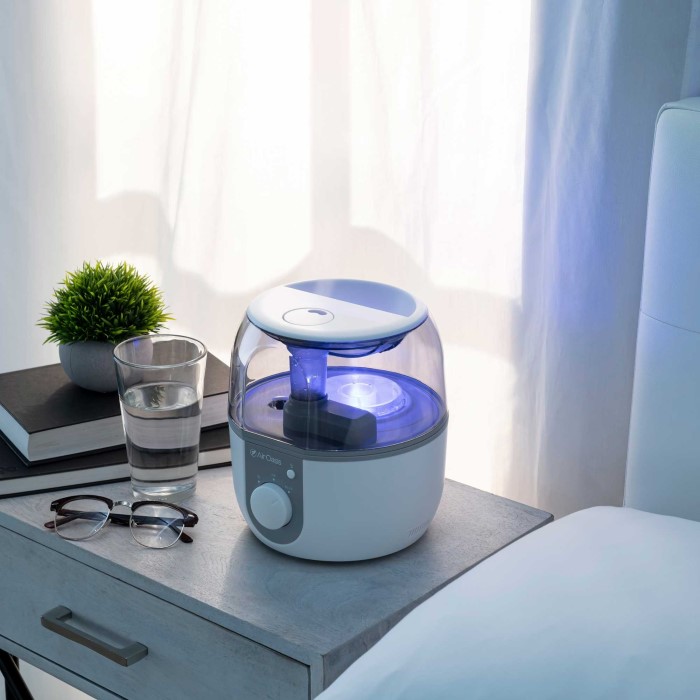
Ultrasonic units require more frequent cleaning. They do not have a wick. However, the water tank stagnates quickly. The mist releases water, leaving the tank full. Bacteria can grow in the residual water. You must empty the tank daily. You must also dry it. If you do not, you risk breathing in pathogens. This is especially true for cool mist settings. The warm mist setting kills some bacteria. But you still cannot skip cleaning.
Furthermore, visibility helps with maintenance. Evaporative wicks look dirty when they are. You can see the discoloration. This visual cue reminds you to act. Ultrasonic tanks are often dark. You might not see the slime until it is bad. Therefore, you need a routine. Set a schedule for cleaning. Consistency prevents health issues.
Noise Levels and Sleep Quality
Noise is a deciding factor for many. Bedrooms require silence. A noisy appliance disrupts sleep. Therefore, you must understand the sound profile. Evaporative units use a fan. Fans create wind noise. It is a constant “whooshing” sound. Some models are quieter than others. But they are never silent. The fan speed determines the volume. Low settings are tolerable. High settings can be loud.
However, some people like fan noise. It masks other sounds. It provides a consistent background hum. This is similar to a white noise machine. If you are used to a fan, this is fine. It might even help you sleep. But if you need absolute silence, this could be an issue. You must test the unit. Listen to it before buying. Check the decibel rating.
Ultrasonic humidifiers are famous for being quiet. The vibration is inaudible to humans. The only sound comes from a tiny fan. This fan pushes the mist out. It is very faint. You can barely hear it. Consequently, these are the gold standard for nurseries. They will not wake a sleeping baby. They are also perfect for light sleepers. The silence is a major selling point.
Nevertheless, they are not always perfect. Sometimes, the water makes a gurgling sound. The unit might settle on a hard surface. This can cause a slight hum. But these noises are usually minimal. For a truly silent night, ultrasonic is the winner. It offers moisture without the disturbance. Therefore, if peace is your priority, lean towards ultrasonic technology.
Energy Efficiency and Operating Costs
Everyone wants to save money. Humidifiers run for hours. Sometimes they run all winter. Therefore, energy consumption matters. Evaporative models are very efficient. They only power a small fan. Fans use very little electricity. The cost is negligible. It is similar to running a small desk fan. You will not see a spike in your electric bill. This makes them economical.
Ultrasonic models are also efficient. The vibration mechanism uses minimal power. It is comparable to the evaporative fan. However, there is a catch. Some models have a warm mist setting. This setting uses a heating element. Heaters consume much more electricity. It requires significant energy to boil water. If you use this feature often, your bill will rise. Therefore, stick to the cool mist setting for efficiency.
But the purchase price is only the start. You must consider long-term costs. Evaporative units need new wicks. You replace them every few months. These filters cost money. It is a recurring expense. Ultrasonic units do not need filters. This saves money. However, if you have hard water, you buy distilled water. This is a recurring cost too. You might also buy demineralization cartridges. These costs can add up.
Therefore, calculate the total cost of ownership. Look at your local water hardness. If you have soft water, an ultrasonic unit is cheaper to run. You do not need filters or distilled water. If you have hard water, the costs balance out. You pay for filters with evaporative vs ultrasonic humidifier. Or you pay for water with ultrasonic. Both are relatively affordable. But knowing the details helps you budget.
Making the Final Decision for Your Home
Choosing the right humidifier is personal. There is no single “best” option. It depends on your specific needs. Consider your family’s health. Consider your home’s water quality. Also, consider your tolerance for noise. These factors point to the right choice. The evaporative vs ultrasonic humidifier debate ends with you.
Choose an evaporative model if you value simplicity. Choose it if you have hard water. The wick filter handles minerals well. You will not deal with white dust. It is also great for large spaces. The fan distributes moisture effectively. However, be prepared for the noise. And be prepared to buy filters. This option suits families who want low-tech reliability.
Choose an ultrasonic model for silence. It is the best for bedrooms and nurseries. The design is sleek and modern. It fits into decor easily. It is also great for warm mist. If you want the option of warm steam, this is for you. But remember the water quality issue. You must use distilled water in hard water areas. This requires effort. If you are willing to do the work, the silence is rewarding.
Finally, prioritize hygiene regardless of type. No humidifier is safe if neglected. Clean your unit regularly. Follow the manufacturer’s instructions. Monitor the humidity levels. Use a hygrometer to check the air. Aim for 30% to 50% humidity. This range is healthy and comfortable. With the right choice and care, you will enjoy fresh, moist air. Your home will feel better in 2026.