

Introduction to the World of Compressed Air
Compressed air is a vital power source for many tools. It acts as a fourth utility in various industries. Furthermore, it is essential for many home DIY projects. Traditionally, air compressors are notoriously loud machines. They create a racket that can be painful to the ears. Consequently, many people hesitate to use them in quiet neighborhoods. The noise often disturbs family members or neighbors. However, technology has evolved significantly in recent years. Engineers have developed innovative solutions to this problem.
Now, we have access to quiet air compressors. These machines offer the same power without the deafening roar. Therefore, they are becoming increasingly popular. They allow users to work in peace. Furthermore, they protect the user’s hearing health. The shift towards quieter tools represents a major step forward. It combines efficiency with comfort. In this article, we will explore how these machines work. We will also discuss their many benefits. Additionally, we will help you choose the right model. The era of noisy workshops is coming to an end.
Understanding Decibels and Noise Levels
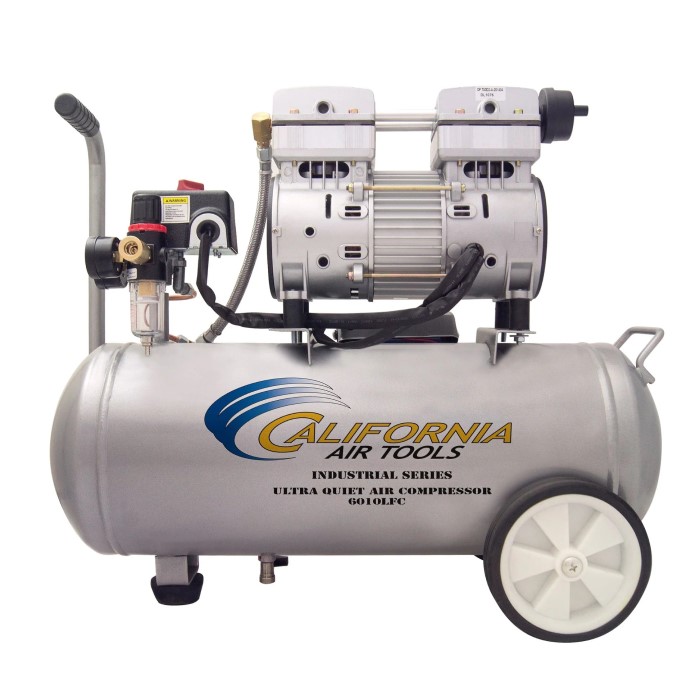
To understand the value of a quiet machine, we must look at sound. Sound is measured in decibels (dB). Furthermore, the decibel scale is logarithmic. This means every increase of 10 dB doubles the perceived loudness. For example, a standard air compressor often operates at 90 dB. This level is comparable to a lawnmower. Consequently, it can cause hearing damage over time. In contrast, a quiet model operates around 60 to 70 dB. This is a significant reduction. It sounds more like a normal conversation.
Therefore, the difference is immediately noticeable. You do not need to shout over the noise. Moreover, working in a loud environment is stressful. It leads to fatigue and lack of focus. Thus, reducing noise pollution improves the work environment. It allows for better communication between workers. Additionally, it makes the work site safer. You can hear warnings or other signals clearly. Understanding these numbers is crucial. It helps you appreciate the engineering behind quiet air compressors.
The Technology Behind Quiet Air Compressors
How do manufacturers achieve this silence? The technology is quite sophisticated. Several factors contribute to the reduced noise output. First, the design of the pump is critical. Many quiet models use a dual-piston system. Furthermore, these pistons are often perfectly balanced. This balance reduces vibration significantly. Vibration is a primary source of noise in machinery. Consequently, minimizing it lowers the sound level. Second, the motor speed plays a role. Many quiet compressors run at lower RPMs (Revolutions Per Minute). A slower motor naturally creates less noise. However, it must still deliver adequate power. Therefore, engineers optimize the pump efficiency. They ensure that lower speed does not mean lower performance.
Third, the enclosure is vital. Manufacturers use sound-dampening materials. They wrap the motor and pump in insulating blankets. Additionally, the casing is designed to trap sound waves. This prevents them from escaping into the room. Another factor is the cooling system. Traditional fans can be very noisy. Newer models use advanced cooling fins. Or they use quieter fan designs. Thus, the combination of these technologies results in a superior product. It is a marvel of modern engineering.
Benefits for the Home Workshop Environment
Home workshops are often located in garages or basements. These spaces are usually attached to the living area. Consequently, noise travels easily through walls and floors. A traditional compressor can wake up sleeping children. Furthermore, it can annoy neighbors in close proximity. This limits when you can work on projects. You might only be able to work during specific hours. However, quiet air compressors change this dynamic entirely. They allow you to work early in the morning. You can also work late at night without causing a disturbance. Therefore, your hobby becomes more flexible. Additionally, the home environment becomes more peaceful. You do not need to wear heavy ear protection constantly.
This makes the work process more enjoyable. Moreover, the lack of noise reduces stress levels. You can listen to music or a podcast while you work. This enhances the overall experience. Many homeowners also appreciate the reduced vibration. It means the machine does not walk across the floor. It stays firmly in place. Thus, these machines are perfect for residential use. They blend seamlessly into domestic life.
Advantages for Professional and Industrial Settings
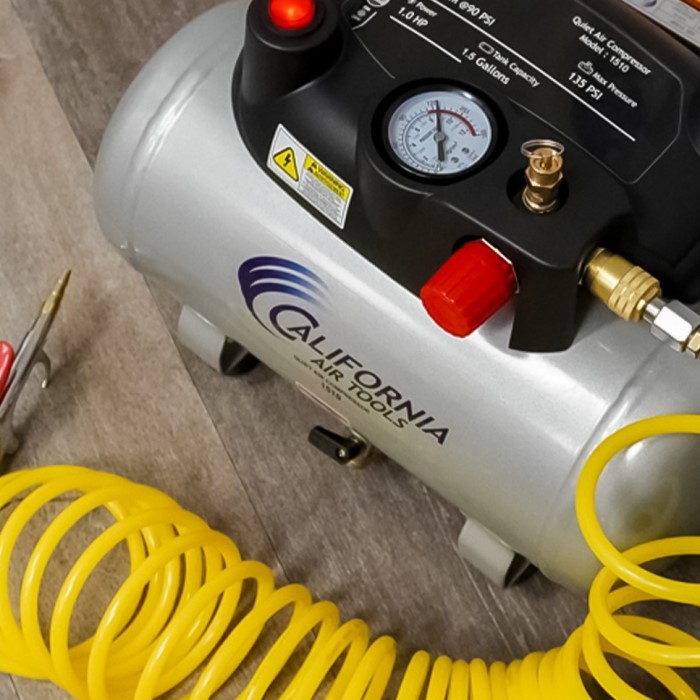
The benefits extend far beyond the home. Professional workshops also gain immense value from quiet technology. In a busy auto shop, noise levels can be overwhelming. Multiple tools run simultaneously. Consequently, the cumulative noise is dangerous. It creates a hazardous work environment. Using quiet air compressors helps lower this risk. It protects the hearing of employees. Furthermore, it reduces worker fatigue. A quieter shop is a more productive shop. Employees can communicate without shouting. Therefore, instructions are clearer and mistakes are fewer. Additionally, client-facing businesses benefit greatly. Imagine a dental office or a small craft shop. Loud machinery creates a negative impression.
It scares customers away. However, a quiet environment feels professional and welcoming. Moreover, some job sites have strict noise regulations. Construction in residential areas often has limits. A quiet compressor ensures compliance with these laws. Thus, professionals can work without fear of fines. They can also maintain good relations with the community. The investment in quiet technology pays off quickly. It leads to a better bottom line.
Key Features to Consider When Buying
Shopping for an air compressor requires attention to detail. There are several specifications you must check. First, consider the decibel rating. Look for models rated at 70 dB or lower. Furthermore, check the operating pressure (PSI). You need enough pressure to run your tools. Most tools require at least 90 PSI. Second, look at the CFM (Cubic Feet per Minute). This measures the air volume. It determines how fast the tool runs. Therefore, ensure the CFM matches your tool requirements. Third, consider the tank size.
A larger tank holds more air. Consequently, the motor runs less often. This further reduces the overall noise. However, a large tank is heavier and less portable. You must balance capacity with portability. Additionally, check the power source. Electric models are the most common for quiet units. Some are corded, while others are cordless. Cordless models offer ultimate freedom. Finally, look at the pump type. Oil-free pumps are popular because they are low maintenance. However, oil-lubricated pumps often last longer. They can be slightly quieter too. Thus, weigh these features carefully.
Maintenance Tips for Longevity
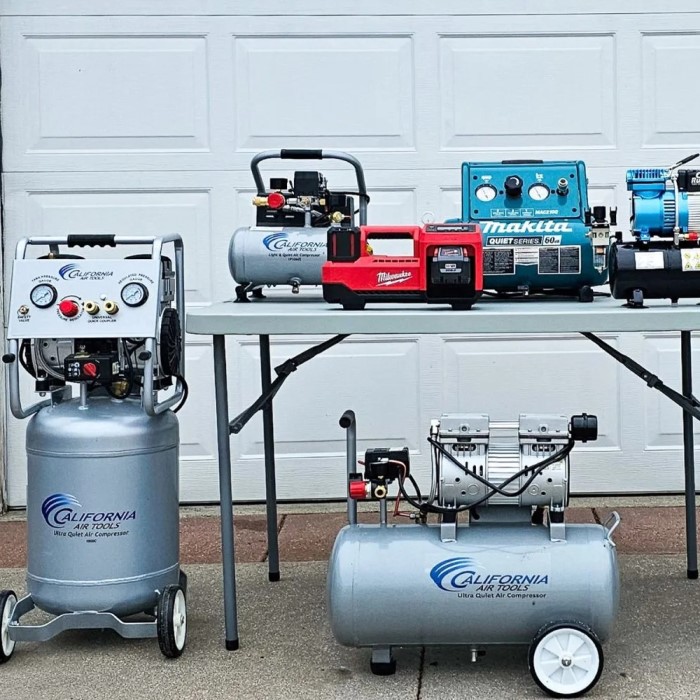
Maintaining your compressor is essential. It ensures the machine stays quiet and efficient. Furthermore, proper maintenance extends the life of the unit. First, check the oil level regularly if you have an oil-lubricated model. Low oil causes friction. Friction leads to noise and damage. Therefore, change the oil as recommended by the manual. Second, clean the air intake vents. Dust and debris can clog the vents. This makes the motor work harder. Consequently, it becomes louder and overheats.
Use a vacuum or a brush to clean them. Third, drain the moisture from the tank. Compressing air creates condensation. This water collects at the bottom of the tank. If left unchecked, it causes rust. A rusted tank is dangerous. Therefore, open the drain valve after every use. Additionally, inspect the belts and hoses. Look for cracks or leaks. A small leak can cause hissing sounds. It also wastes energy. Tighten any loose fittings. Moreover, store the compressor in a clean, dry place. Do not leave it outside. Protect it from rain and extreme temperatures. Thus, a little care goes a long way.
The Future of Pneumatic Tools
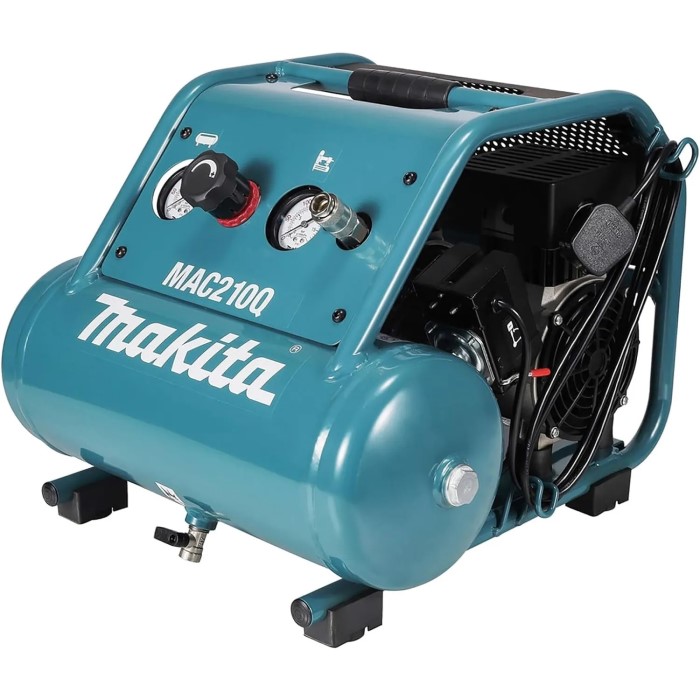
The trend towards quieter tools is growing. Technology continues to advance rapidly. We are seeing more innovations in battery technology. Consequently, cordless and quiet air compressors are becoming more powerful. They are rivaling their corded counterparts. Furthermore, brushless motors are becoming the standard. These motors are more efficient and quieter than brushed motors. Therefore, future models will be even more silent. We might see compressors that are almost undetectable to the ear.
Additionally, smart technology is integrating into these tools. Future units might have Bluetooth connectivity. You could monitor tank pressure from your phone. Or, the machine might diagnose its own maintenance needs. This connectivity will improve workflow. It will make shops even more efficient. Moreover, environmental concerns are driving innovation. Newer models are becoming more energy-efficient. They use less electricity to produce the same air volume. This reduces the carbon footprint. Thus, the future looks bright and quiet. The industry is moving towards sustainability and comfort. Embracing these changes now prepares you for the future.
Frequently Asked Questions About Quiet Air Compressors
What is considered quiet for an air compressor?
Generally, any model running below 75 decibels is considered quiet. However, the best models run between 60 and 70 decibels. To put this in perspective, 60 dB is similar to a normal conversation. Therefore, you can easily talk over the machine while it runs.
Are silent air compressors any good?
Yes, they are excellent machines. They provide the same power and pressure as traditional models. Furthermore, they offer the added benefit of low noise. They are perfect for indoor use. Consequently, they are highly recommended for home workshops and offices.
What is the difference between a silent air compressor and a normal air compressor?
The main difference is the noise level. A normal compressor can be extremely loud, often exceeding 90 decibels. In contrast, a silent model runs much quieter. Furthermore, silent models often use different pump designs. They also feature sound-dampening insulation. However, they function in exactly the same way regarding air output.
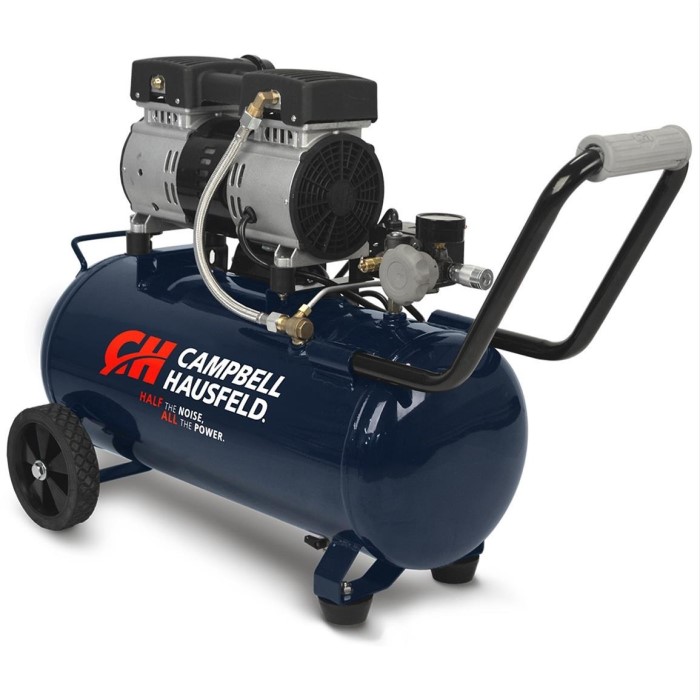
Conclusion: Investing in Silence
In summary, the benefits of reducing noise are clear. Whether you are a hobbyist or a professional, your environment matters. Quiet air compressors provide a solution to a long-standing problem. They combine power with peace. Furthermore, they protect your hearing. They also respect the peace of those around you. Technology has made great strides in this field. Therefore, there is no reason to tolerate loud machinery anymore. You can enjoy your work without the headache.
The initial investment might be slightly higher. However, the return on investment is significant. You gain comfort, safety, and flexibility. Thus, consider making the switch today. Your ears will thank you. Your neighbors will thank you. And your work will continue without interruption. It is a smart choice for any modern workspace.