

The Great Fastener Debate: Setting the Stage
Every builder, whether a professional contractor or a weekend warrior, eventually faces a critical choice. You stand in the hardware aisle, staring at endless boxes of metal fasteners. The question looms large: which one do you choose? This is the classic debate of nails vs screws. It might seem like a trivial decision to the uninitiated. However, selecting the wrong fastener can lead to structural failure or wasted time. Therefore, understanding the fundamental differences is absolutely essential for success. You want your project to last. Furthermore, you want the construction process to be efficient. Many people simply grab the first box they see. Consequently, they often regret that decision later.
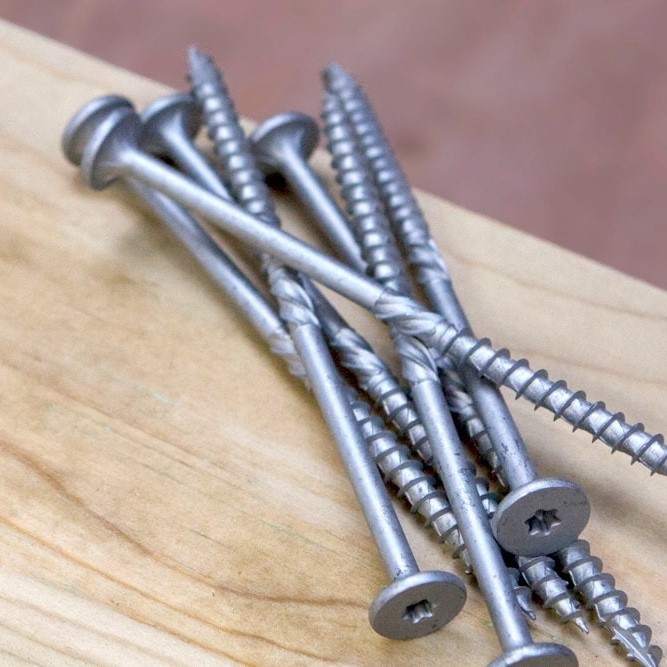
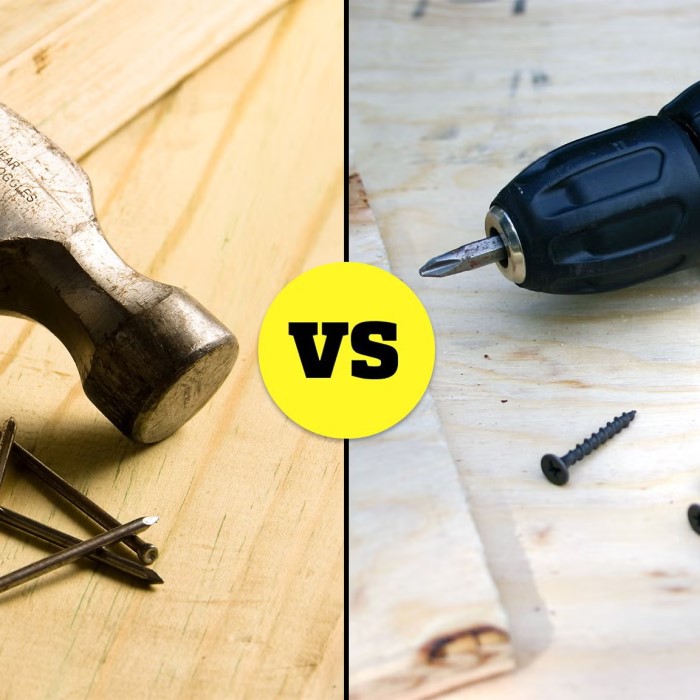
To begin with, you must understand that these two fasteners serve different purposes. They are not interchangeable in every scenario. A nail is a smooth, cylindrical metal fastener. You drive it into material using a hammer or a nail gun. In contrast, a screw has a threaded shaft. You install it by twisting it into the material with a drill or screwdriver. This mechanical difference is the root of all their varying characteristics. For instance, the way they interact with wood fibers differs significantly. Additionally, their resistance to different types of force varies greatly. We will explore these mechanical properties in depth. By the end of this article, you will possess the knowledge to make the right call every single time. So, let us dive into the mechanics of fastening.
Understanding the Anatomy and Design Differences
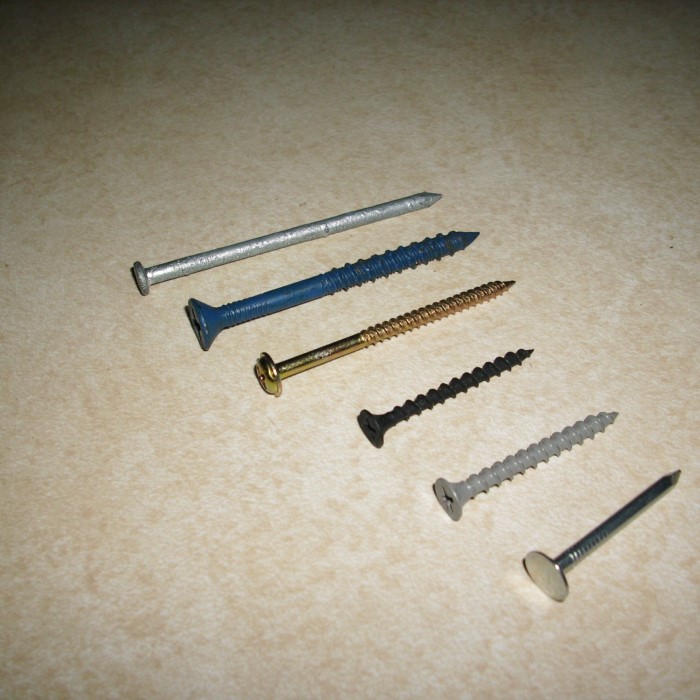
To truly grasp the nails vs screws comparison, we must first look at their anatomy. At first glance, they both look like simple pieces of metal. However, their designs are highly specialized for specific tasks. A nail typically features a flat head and a smooth shank. Some nails have ringed or spiraled shanks for better grip. Nevertheless, the primary method of holding power is friction. When you drive a nail into wood, it pushes the wood fibers aside. Consequently, the wood creates an outward pressure against the shank. This pressure creates the friction that holds the nail in place.
On the other hand, screws are designed with a totally different mechanism. They feature a helical thread wrapped around the shank. This thread acts like a wedge that wraps around the material. When you turn a screw, the threads cut into the wood. They physically remove a small amount of material or displace it. Therefore, the screw creates its own mating thread within the wood. This design provides a much more aggressive hold. Additionally, screws usually have a pointed tip to start the hole. They also feature a drive recess in the head, such as Phillips or square drive. This allows for greater torque application during installation.
Moreover, the manufacturing process differs. Nails are often made from wire that is cut and headed. They can be made of steel, stainless steel, or even aluminum. Screws, however, are often machined or rolled. They undergo hardening processes to prevent the heads from snapping off. Consequently, screws are generally harder but more brittle than nails. This brittleness is a crucial factor we will discuss later. In summary, the smooth shank relies on friction.
Analyzing Shear Strength and Breaking Points
One of the most critical factors in the nails vs screws discussion is shear strength. Shear strength refers to a fastener’s ability to resist forces that try to cut it in half sideways. Imagine a bookshelf supporting heavy books. The weight of the books pulls down. The fastener holding the shelf bracket acts as a bridge. If the load is too heavy, the fastener might snap. This is a shear failure. In this specific category, nails traditionally hold the advantage. Because nails are generally made of softer, more ductile steel, they can bend under pressure. They rarely snap suddenly.
For example, consider framing a house. The structure experiences immense forces from wind and the weight of the building itself. These forces often act sideways on the fasteners. If you were to use screws here, they might snap. Screws are typically made of hardened steel. While this makes them strong against pulling forces, it also makes them brittle. Therefore, under a sudden lateral load, a screw is more likely to shear off cleanly. A nail, in contrast, will bend and stretch. It holds the structure together even under distress. This is why building codes often specify nails for structural framing.
However, technology is changing this dynamic. Recently, manufacturers have introduced structural screws. These are specifically engineered to replace nails in certain framing applications. They are made of stronger, heat-treated steel. Nevertheless, they are significantly more expensive than standard framing nails. For the average DIY project or standard construction, nails remain the king of shear strength. Consequently, if your project involves heavy structural loads or lateral pressure, you should lean towards nails. You must prioritize safety over the convenience of using a drill. Understanding shear strength prevents catastrophic structural failures down the line.
Evaluating Withdrawal Resistance and Grip
While nails win the shear strength battle, screws dominate the arena of withdrawal resistance. Withdrawal resistance is the force required to pull a fastener straight out of the material. This is where the design of the screw truly shines. The threads on a screw act like a ramp. They pull the screw into the wood and lock it there. To remove a screw, you must rotate it counter-clockwise. Simply pulling it straight out requires immense force. In fact, it often tears the wood apart before the screw releases its grip.
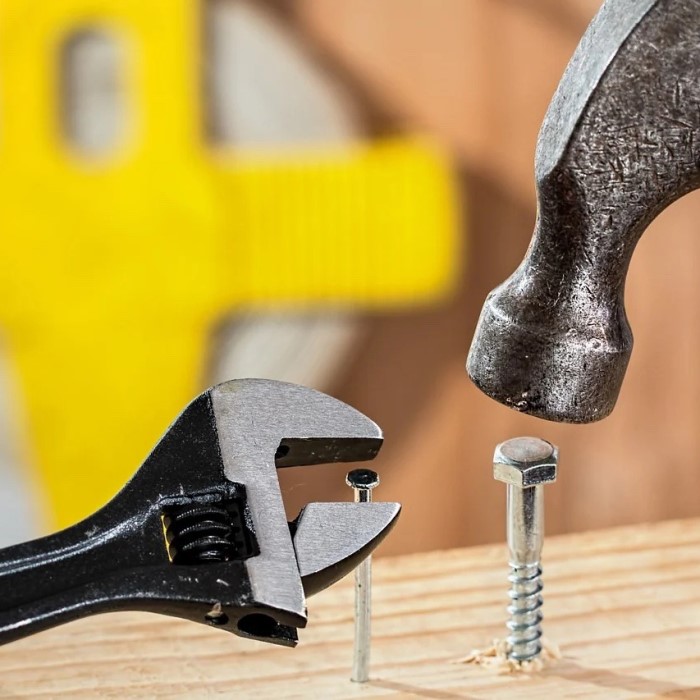
Consider the mechanics of the thread. As the screw enters, the threads cut deep grooves into the wood fibers. This creates a mechanical lock that is incredibly difficult to break. Furthermore, the head of the screw pulls tight against the surface of the wood. It applies constant clamping pressure. This pressure pulls two pieces of wood tightly together. For instance, if you are building a deck, you want the deck boards to stay flat. Nails often work their way up over time due to wood movement. This creates a safety hazard. Screws, however, hold the boards down firmly.
Consequently, screws are superior for projects where holding power is paramount. Furniture assembly is a perfect example. You do not want your table legs wobbling or falling off. Additionally, outdoor projects like fencing benefit greatly from screws. The wind pushes against the fence, creating a pulling force on the fasteners. A screw will resist this force much better than a nail. Therefore, when you need a tight, permanent bond that resists pulling, screws are the clear winner. The debate of nails vs screws largely depends on whether you are worried about the fastener snapping sideways or pulling out straight.
Best Applications for Nails in Construction
Given their strengths, nails are the go-to fastener for specific types of projects. Primarily, professionals use nails for structural framing. When building a house, carpenters use nail guns to frame walls, floors, and roofs. The speed of installation is a major factor here. A pneumatic nail gun can drive a nail in a fraction of a second. This speed is unmatched by screws. Furthermore, the shear strength of nails ensures the house frame remains stable. If a house settles or shifts, the nails will bend slightly. They allow for a bit of movement without snapping. This flexibility is vital for the longevity of a structure.
Moreover, nails are excellent for general carpentry and rough work. For example, attaching roof sheathing or subflooring requires speed and shear strength. Roofers almost exclusively use nails. They need to secure large sheets of plywood quickly. Also, nails are generally much cheaper than screws. If you are buying thousands of fasteners for a large project, the cost difference becomes substantial. You can buy a bulk box of framing nails for a fraction of the cost of structural screws.
Additionally, nails are used for finish work. Finish nails have small heads. You can drive them below the surface of the wood and fill the hole with putty. This creates a clean, seamless look for trim and molding. Screws are harder to hide because their heads are larger and often sit on top of the surface. Therefore, for aesthetic woodwork where you plan to paint or stain, finish nails are the standard choice. They provide adequate holding power without marring the visual appeal of the piece. In summary, choose nails for framing, rough construction, roofing, and finish trim.
Ideal Scenarios for Using Screws
Screws have become increasingly popular in recent years. This is largely due to the widespread availability of cordless drills. In the past, driving a screw by hand was laborious. Now, it is just as fast as using a nail gun for small tasks. Screws are the ideal choice for non-structural projects where a strong, tight bond is needed. For example, building a deck is a classic screw application. Deck screws are coated to resist corrosion. They hold the decking boards securely. This prevents the boards from warping or cupping over time.
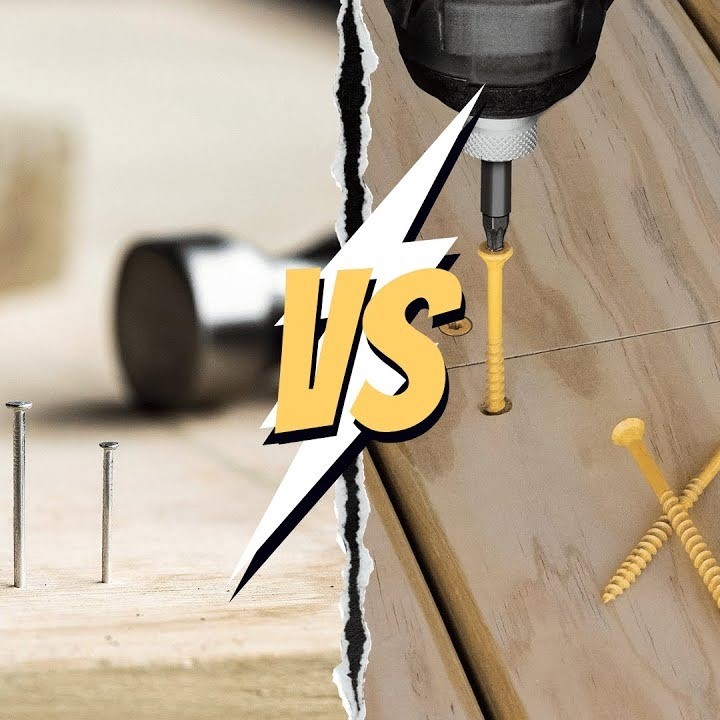
Furthermore, interior woodworking benefits greatly from screws. If you are building cabinets, shelves, or storage units, screws are indispensable. They pull the joints tight. This ensures that the cabinet is square and rigid. Unlike nails, screws can be removed and reinstalled if you make a mistake. This adjustability is a huge advantage for DIYers. If you drive a nail crooked, you have to pry it out. This often damages the wood. However, with a screw, you can simply reverse the drill and try again. This makes screws much more forgiving for beginners.
Additionally, screws are essential for hanging drywall. Drywall screws have a specific design. They have a bugle head that does not tear the paper face of the drywall. They are designed to go into wood or metal studs quickly. The sharp threads grip the stud securely. This prevents the heavy drywall from sagging. In the nails vs screws debate, screws win for precision, adjustability, and projects requiring high withdrawal resistance. If you are fastening outdoor furniture, securing loose subfloors that squeak, or hanging drywall, screws are your best bet.
Comparing Installation Speed and Cost Efficiency
Cost and speed are two major factors that influence the choice of fasteners. In the professional construction world, time is money. Therefore, efficiency is paramount. When it comes to raw speed, nails are the undisputed champions. A framing crew using pneumatic nail guns can erect walls at an astonishing pace. They can drive thousands of nails in a single day. This speed is difficult to replicate with screws. Even with impact drivers, driving a screw takes longer. The drill must rotate the screw many times to sink it. A nail gun requires just a single trigger pull.
Consequently, for large-scale framing and sheathing jobs, nails are significantly more cost-effective. The labor savings are enormous. Additionally, the material cost of nails is lower. You can purchase a box of 10,000 framing nails for a very low price per unit. Screws, especially quality exterior or structural screws, cost significantly more. If you are building a house, using screws for the framing would blow the budget. It would also delay the project timeline considerably.
However, for the DIY enthusiast or small projects, the speed difference is less noticeable. A homeowner hanging a shelf does not need the speed of a nail gun. In fact, using a drill and screw might be faster for them. They do not need to set up an air compressor or haul heavy equipment. Therefore, the cost-to-benefit ratio shifts for smaller tasks. For a weekend project, the slightly higher cost of screws is worth the added holding power and ease of use. Thus, consider the scale of your project. If you are building an addition to your home, nails are likely the better choice for framing. If you are building a birdhouse, screws are perfectly adequate.
Assessing Durability and Long-Term Performance
Long-term performance is the final piece of the puzzle. How will your project hold up in ten years? This largely depends on the environment and the fastener used. Wood is a natural material. It expands and contracts with changes in humidity and temperature. This movement is subtle but constant. Nails generally allow for this movement more easily. Because the shank is smooth, the wood can slide slightly against the nail. This flexibility prevents the wood from splitting during seasonal changes.
However, the rigidity of screws can be a disadvantage here. Because screws lock the wood fibers so tightly, they do not allow for much movement. If the wood tries to expand and contract, it fights against the screw threads. This constant stress can eventually cause the wood to split or the screw hole to elongate. Consequently, the joint may become loose over time. Furthermore, screws are more prone to snapping under long-term vibration. For example, on a vibrating piece of machinery, a screw might fatigue and break. A nail would likely vibrate loose, but it would not snap.
Moreover, corrosion resistance is a vital consideration for outdoor projects. Standard steel nails and screws will rust quickly. Galvanized nails and screws are coated with zinc to prevent rust. However, the coating on screws can be damaged during installation, especially if the driver bit slips. This exposes the raw steel underneath. Nails, driven by impact, suffer less surface damage during installation. Therefore, high-quality galvanized nails often offer excellent longevity for roofing and siding. When choosing between nails vs screws for outdoor use, look for stainless steel or specialized coatings. The longevity of your project depends on the fastener’s ability to resist the elements.
Making the Final Decision: A Summary Guide
Ultimately, the choice between nails vs screws comes down to the specific demands of your project. There is no single “best” fastener. Each has its own superpower. To make the final decision, you need to ask yourself a few questions. First, what type of force will the joint endure? If it is primarily lateral shear force, choose a nail. This applies to framing, decks, and structural supports. If the force is tension, or pulling apart, choose a screw. This applies to furniture, cabinets, and hanging heavy items.
Second, consider the need for adjustability. If you might need to take the project apart later, screws are essential. Nails are permanent. Removing a nail often destroys the wood. Screws can be backed out cleanly. This makes screws ideal for temporary structures or projects that might need modification.
Third, evaluate your tools and budget. Do you have a nail gun? If not, driving hundreds of nails by hand is exhausting. Using a drill with screws is much easier for manual labor. However, remember that screws cost more. Balance your budget against the convenience.
Finally, consult local building codes. For structural elements like walls and roofs, the code often mandates nails. Never substitute screws for nails in structural framing unless the screws are explicitly rated for that purpose. Ignoring this can lead to failed inspections and dangerous structures. By weighing these factors—force type, adjustability, tools, and codes—you can confidently choose the right fastener. You will ensure your project is safe, durable, and built to last.
FAQ
When should you use a screw instead of a nail?
You should use a screw instead of a nail when you need strong withdrawal resistance. For example, use screws for building decks, hanging drywall, or assembling furniture. Additionally, use screws if you need to remove the fastener later or if you want to avoid damaging the wood surface during installation. Screws are also better for precision work where you need a tight, clamped joint that will not loosen over time.
What holds longer, nails or screws?
Screws generally hold longer in terms of withdrawal resistance. Their threaded design grips the wood fibers tightly, making them difficult to pull out. Nails, however, may work loose over time due to wood shrinkage or vibration. While nails offer better flexibility and shear strength, screws provide a superior grip for non-structural applications, ensuring the connection stays tight for years.
Is it better to hang things with nails or screws?
It is generally better to hang things with screws. Screws provide a more secure hold in drywall and wood studs. They are less likely to loosen over time due to the weight of the object. While picture hangers often use small nails for light items, medium to heavy items like mirrors, shelves, and cabinets should always be hung with screws to prevent them from falling.
Are screws the same as nails?
No, screws are not the same as nails. They differ significantly in design and function. Nails have a smooth shank and are driven in with impact, relying on friction. Screws have a threaded shank and are twisted in, relying on mechanical locking. This difference makes screws better for grip and nails better for shear strength and flexibility.
Conclusion
In the world of construction and DIY, the battle of nails vs screws does not have a single winner. Instead, it requires a knowledgeable decision-maker. You must act as the engineer of your own project. We have explored the anatomy of both fasteners. We analyzed their strengths and weaknesses. Nails offer superior shear strength and flexibility. They are the backbone of structural framing. Screws provide unmatched grip and adjustability. They are the preferred choice for finish work and furniture. By understanding these differences, you can avoid common pitfalls. You will build structures that are safe and durable. Remember to consider the forces at play. Think about the environment and the materials. Whether you are framing a house or building a bookshelf, the right nails vs screws makes all the difference. Choose wisely, and your projects will stand the test of time.