

Introduction: The Heart of the Modern Kitchen
Baking is a precise science. It requires patience and the right tools. Many home bakers start with a simple hand mixer. However, this tool quickly shows its limitations. Your arm gets tired after a few minutes. Consequently, consistency suffers. A stand mixer changes everything. It acts as an extra pair of hands in the kitchen. You can add ingredients while the machine runs. This multitasking ability speeds up your workflow significantly. Therefore, finding the best stand mixer is a priority for serious bakers. It represents an investment in your culinary future. This machine does more than just mix cake batter. It kneads bread dough, whips egg whites, and makes pasta. The versatility of modern mixers is astounding. You will wonder how you ever managed without one.
Furthermore, the market is flooded with options. Prices range from affordable to incredibly expensive. This variety can confuse buyers. Many people do not know where to start. They look at wattage or bowl size. Yet, they miss other crucial features. This guide aims to clarify the selection process. We will break down the technical jargon. We will explain what really matters. You will learn about motor strength and build quality. We will also discuss essential attachments. By the end of this article, you will be ready. You can choose a machine that fits your needs perfectly. A good mixer lasts for years. It becomes a centerpiece on your countertop. Therefore, make your choice wisely. Let us explore the world of stand mixers together.
Understanding the Different Mixer Types
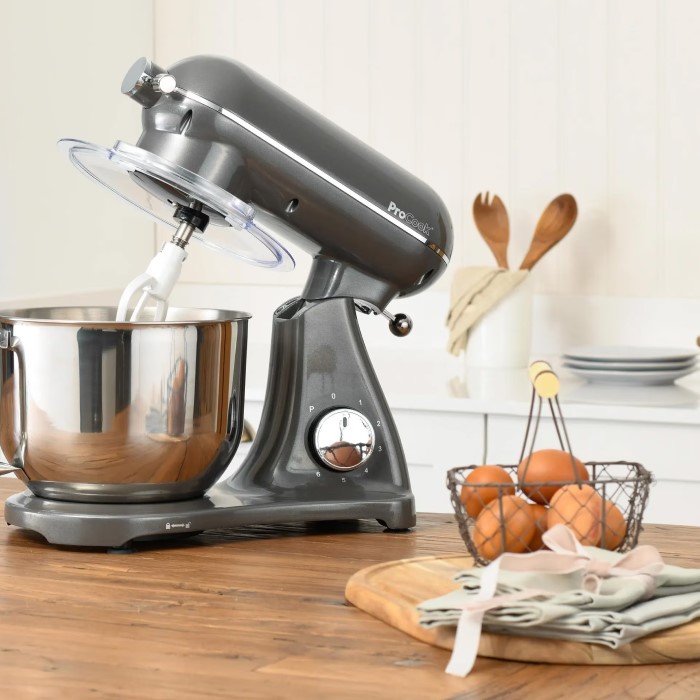
Stand mixers generally fall into two main categories. You must understand these differences before buying. The first type is the “tilt-head” model. The second type is the “bowl-lift” model. Each style offers distinct advantages. Tilt-head mixers are very popular for home kitchens. The mixer head tilts back. This action exposes the bowl. Consequently, you can add ingredients easily. It also makes attaching accessories simpler. These models are usually shorter. They fit underneath standard kitchen cabinets easily. Therefore, they are great for saving space. They are also lighter. You can move them around without much effort.
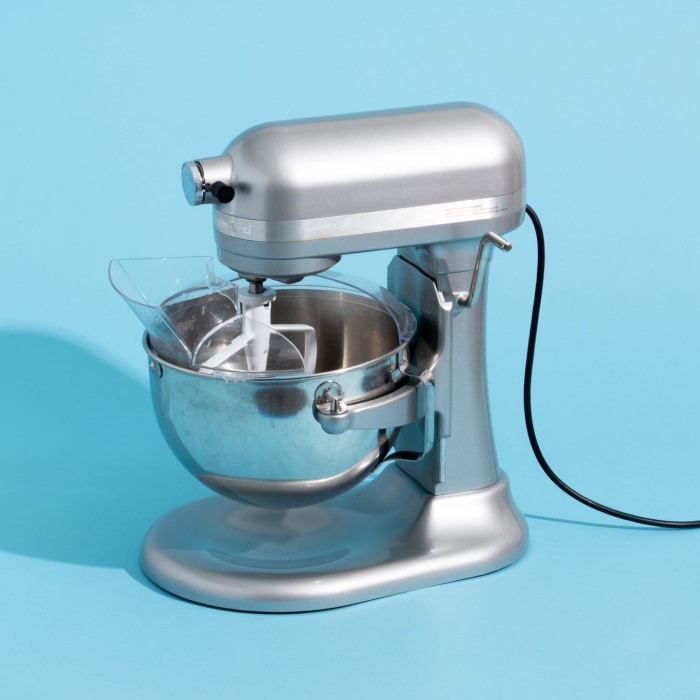
On the other hand, bowl-lift mixers are built for power. A lever raises the bowl up to the beaters. This design creates a more secure connection. The machine feels more stable during operation. Consequently, it handles heavy doughs better. The motor housing is often larger. This allows for a more powerful motor. Professional bakers often prefer this style. However, these machines are taller. They might not fit under low cabinets. They are also significantly heavier. You likely will not move them often. You should choose the style that fits your kitchen layout. Also, consider the type of baking you do. If you bake bread often, bowl-lift is better. For lighter cakes, tilt-head is sufficient. Both types work well, but they serve different needs.
Motor Power and Performance Metrics
The motor is the muscle of the mixer. It determines what the machine can handle. Manufacturers list wattage or horsepower. Higher wattage usually means more power. However, you must look beyond the numbers. Torque is equally important. A good motor maintains speed under load. When you add flour, the mixer should not slow down. Cheap mixers struggle with resistance. They slow down or overheat quickly. Consequently, the motor burns out prematurely. Therefore, you should look for a “high torque” motor. This feature ensures consistent mixing. It protects the machine’s internal gears.
Furthermore, consider the speed settings. Most mixers offer between 3 and 12 speeds. You need a slow “stir” speed. This prevents flour from flying out of the bowl. You also need a high speed for whipping cream. A “soft start” feature is very beneficial. The mixer starts slowly. Then, it gradually increases speed. This keeps your ingredients inside the bowl. Additionally, think about the drive system. Some mixers use a direct drive. Others use a belt drive. Direct drive motors are more efficient. They transfer power directly to the beater. They are also quieter. Belt drives can slip under heavy loads. Therefore, direct drive is generally preferred. Always check the warranty on the motor. A long warranty indicates confidence from the manufacturer. Your mixer should handle heavy bread dough without stress. If the motor whines loudly, that is a bad sign. Choose power and reliability over fancy looks.
Bowl Capacity and Material Choices
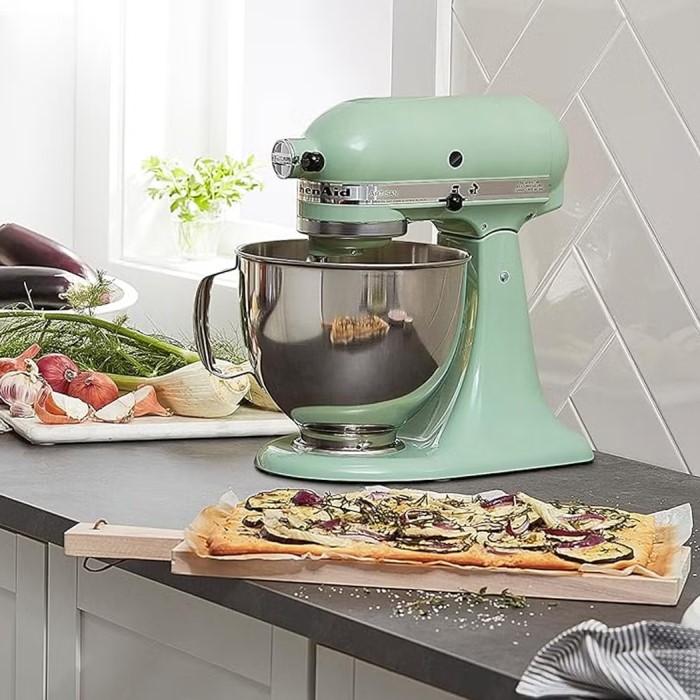
The bowl is where the magic happens. Capacity is a critical factor. Most standard mixers come with a 4.5 to 5-quart bowl. This size works well for average families. It can mix a single batch of cookies. It can also make a loaf of bread. However, large families might need more space. A 6-quart or 7-quart bowl is better. You can mix double batches. This saves time during the holidays. Consequently, you get more done in less time. But remember, a larger bowl makes the machine bigger. It also weighs more. Consider your storage space carefully.
Moreover, the material of the bowl matters. Stainless steel is the industry standard. It is durable and easy to clean. It does not react with acidic foods. Some models offer ceramic or glass bowls. These look beautiful on the table. You can serve directly from them. However, they are heavy and breakable. They can also chip if dropped. Stainless steel is practically indestructible. Additionally, check the handle design. An ergonomic handle makes pouring easier. The bowl gets heavy when full of batter. A comfortable grip prevents spills. Some high-end models include a pouring shield. This attachment fits on top of the bowl. It has a spout for adding liquids. It keeps the mess to a minimum. Consequently, your countertop stays clean. Choose the bowl size that matches your lifestyle. Do not pay for capacity you will never use.
Durability, Build Quality, and Weight
A stand mixer is a heavy appliance. This weight is actually a good thing. It provides stability. When the dough hook spins, it creates force. A light machine would wobble or walk across the counter. Therefore, a heavy metal body is essential. Most premium mixers use die-cast metal. This construction feels solid. It dampens vibrations significantly. Conversely, cheaper mixers use plastic housing. Plastic is lightweight. However, it flexes under pressure. This flexing can damage internal gears. Consequently, the machine fails faster. You should lift the mixer before buying. It should feel substantial.
Furthermore, the internal gears are vital. Metal gears last longer than plastic ones. Some brands use plastic gears to cut costs. They are quieter initially. However, they strip easily under heavy loads. Metal gears can grind for decades. They might make a little more noise. But they offer superior durability. You can often find this information in reviews. Look for terms like “all-metal construction.” This usually refers to the gear train. Additionally, consider the finish. A high-quality paint job resists chipping. It keeps the mixer looking new. Cheap paint flakes off quickly. This ruins the aesthetic. A stand mixer is a long-term investment. You want it to last a lifetime. Therefore, prioritize build quality over flashy features. A heavy, metal machine will outlast a light, plastic one.
Essential Attachments and Versatility
A great mixer does more than mix. It serves as a kitchen hub. The power hub on the front drives attachments. This versatility transforms the machine. You can turn it into a pasta maker. You can also grind meat or slice vegetables. Consequently, you save cabinet space. You do not need separate machines for each task. Most mixers come with standard accessories. These usually include a flat beater, a dough hook, and a wire whip. The flat beater is for cakes and cookies. The dough hook kneads yeast dough. The wire whip incorporates air into egg whites.
Moreover, consider optional attachments. A flex edge beater is very useful. It has a silicone wing. It scrapes the sides of the bowl as it mixes. This saves you from stopping to scrape manually. An ice cream maker bowl is another popular add-on. You can make frozen desserts easily. A spiralizer attachment helps with vegetables. It creates healthy noodle alternatives. However, these attachments cost extra. You should check if they are included. Some bundles offer great value. Others sell the base unit only. Therefore, plan for future expansion. Even if you do not need attachments now, you might later. A machine with a versatile hub gives you options. It adapts to your changing cooking style. This makes the initial investment even more worthwhile.
Brand Reputation and User Reviews
The brand is an important consideration. Some brands have decades of history. They have a proven track record. KitchenAid is the most famous example. They have been making mixers for a century. Their parts are widely available. Consequently, repairs are easy. Many bakers trust the brand implicitly. However, other brands compete fiercely today. Cuisinart, Breville, and Hamilton Beach offer excellent alternatives. They often provide more power for less money. Therefore, do not limit yourself to one name. Read reviews from actual users. They tell the real story. Look for comments on longevity. Check how the company handles warranty claims.
Furthermore, consider the noise level. Some mixers sound like jet engines. Others operate with a low hum. Reviews often mention the sound. If you have an open kitchen, noise matters. A loud mixer disrupts conversation. Additionally, look for issues with overheating. Some users report mixers shutting down. This usually happens during heavy bread kneading. A good thermal protection system is vital. It shuts the mixer off before damage occurs. Then, it resets once cooled. Read multiple reviews to spot trends. One bad review is an anomaly. Many bad reviews indicate a design flaw. Leverage the experience of others. It helps you avoid common pitfalls. A reputable brand stands behind its product. They offer support when things go wrong. This peace of mind is invaluable.
Cleaning and Maintenance Tips
Proper care extends the life of your mixer. Cleaning is a necessary routine. Fortunately, stand mixers are easy to maintain. You should always unplug the machine first. Then, remove the attachments. Wash the bowl and beaters in warm water. Most are dishwasher safe. However, hand washing keeps them shiny. The mixer body should not be submerged. Simply wipe it with a damp cloth. Do not use harsh abrasives. They scratch the finish. Furthermore, pay attention to the speed control. Do not turn the dial while the mixer is running. This can damage the speed control board. Always turn it off first.
Moreover, the motor requires ventilation. Do not cover the machine while it runs. The heat needs to escape. If you store it in a cabinet, give it space. Overheating is a common cause of failure. Additionally, check the power cord regularly. It should not be frayed or pinched. A damaged cord is a safety hazard. If you use a bowl-lift model, lubricate the mechanism occasionally. This ensures smooth operation. Also, listen to the gears. If you hear a new grinding noise, stop immediately. This might indicate a gear issue. Continuing to run it causes more damage. Regular maintenance is simple. It prevents expensive repairs later. Treat your mixer with respect. It will reward you with years of service.
FAQ
What is the #1 rated stand mixer?
The KitchenAid Artisan Series is widely considered the #1 rated stand mixer. It balances power, size, and iconic design perfectly. Most experts and home bakers recommend it for its versatility and long lifespan.
Which one is the best stand mixer?
The best model depends on your specific needs. The KitchenAid Professional 600 Series is best for heavy bread dough. The Cuisinart SM-770 is a great alternative for power on a budget. For small spaces, the KitchenAid Mini is the top choice.
What mixer is just as good as KitchenAid?
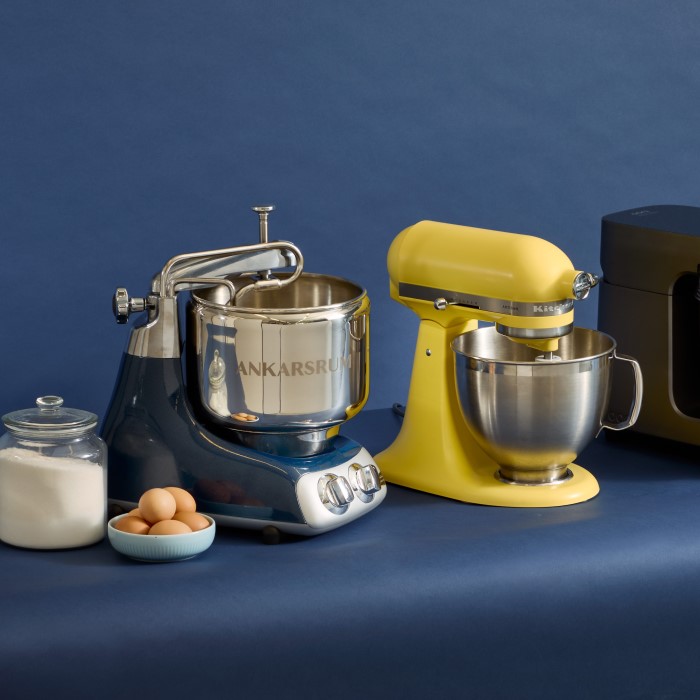
The Cuisinart Precision Master is a strong competitor. It offers similar features and power for a lower price. The Ankarsrum Assistent Original is also excellent, especially for bread bakers who want a unique mixing motion.
Which company stand mixer is best?
KitchenAid remains the most reputable company for stand mixers. They have the widest range of colors and attachments. However, Breville and Cuisinart also produce high-quality, reliable machines that rival the top brands in performance.
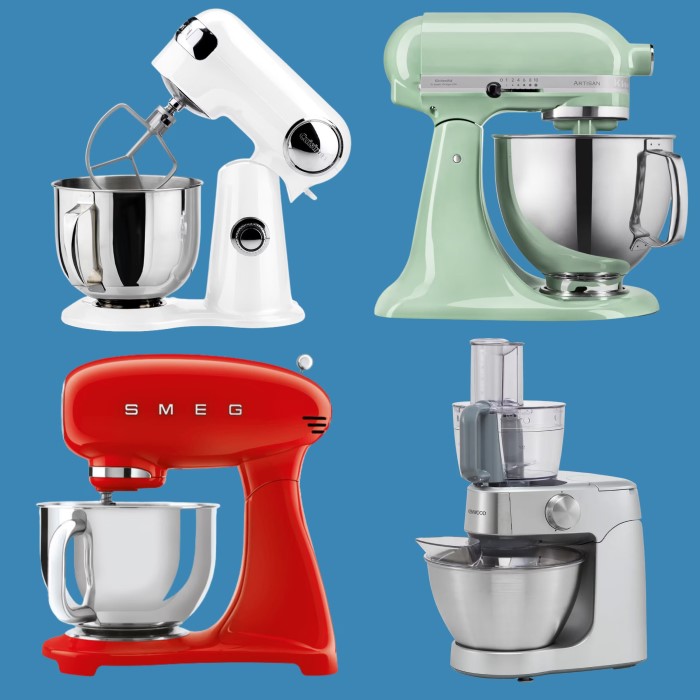
Conclusion: Making the Final Decision
Choosing the right appliance takes time. You must weigh many factors. We discussed motor power and bowl size. We also looked at build quality and attachments. Each feature plays a role. Your personal baking style matters most. Do you bake bread every week? Do you prefer simple cookies? Maybe you need a versatile kitchen helper. Answering these questions guides your choice. The best stand mixer is the one that fits your life. It balances power, size, and price. Do not be swayed by looks alone. Performance is paramount. A pretty machine that breaks is useless. Therefore, focus on durability.
Additionally, remember to set a budget. Mixers are an investment. A higher price often means better quality. However, excellent mid-range options exist. You do not need the most expensive model. Read the user reviews carefully. They offer honest insights. Once you have done your research, make the purchase. Enjoy the convenience of hands-free mixing. Your arm will thank you. Your baking results will improve. A stand mixer opens up new possibilities. You can tackle complex recipes with confidence. So, go ahead and upgrade your kitchen. You deserve the best tools. Happy baking to you and your family.